For the homily today, the priest talked about prayer in general. I really liked what he had to say, but was confused about one aspect. In a nutshell, he said that our sins do not and cannot offend or hurt God, that it is only his image, which is as persons, that is affected. Sin does nothing (bad) to God–the only ones who are hurt by it is us alone. In essense, God is not looking all day long at our actions to see how He can get offended.
I know that God cannot be hurt by our actions, but somehow I thought our sins did offend God.
Our sins do personally offend God who is love and desires that we love Him in return by doing what He wills for the sake of His goodness to us. God is a real personal being, not some metaphor. His love is a personal attribute of His as are His purity and righteousness and wisdom. And His love for us is visibly manifested in Christ. The compassion our Lord had when he healed the sick and cured the lame was genuine compassion. The love Christ had for us on the Cross was genuine love. God’s forgiveness of our sins proceeds from His genuine mercy. God is not abstract, but real and personal. God’s love for us is not a feeling, but it is a sensation of a spiritual kind, just as drinking water when thirsty isn’t a feeling, but a sensation of a physical kind. God is Spirit. Our heavenly Father is our Father, with whom we can have a personal relationship, having been created in the Divine image. He is not a metaphor. True, God doesn’t ever “feel” angry, vengeful, or jealous, or even sad and disappointed in an emotional way, but our sins do in fact personally grieve Him (Gen. 6:5:6). Our offenses against God mustn’t be taken figuratively. God doesn’t act emotionally by how He feels, but His anger is genuine. It was visibly manifested in the person of Christ when he cast the money-lenders and merchants from the Temple for the offense they had committed against God’s holiness. Jesus did not act with a feeling of hatred and resentment, which normally constitutes human anger, but rather with a real and unadulterated sense of justice.
Unfortunately, modernism has swept through the Church in the West like a plague. Apostasy made its rise decades ago, as our Blessed Mother forewarned in her apparitions. Sin, hell, and repentance have become dirty words in the lexicon of too many priests and even bishops in modern society. Psychology and sociology (scientism) are overshadowing spirituality. Too much emphasis has been made on social justice at the expense of the Divine justice. The state of our minds and emotions often take precedence over the state of our souls and where we stand before God. Human relations are more important. There are priests who have advised their parishioners to cast their votes for the legalization of gay marriage according to the dictates of their conscience, with no thought given to the moral teachings of the Church and what offends God. But what Jesus had preached was essentially about being reconciled with God and our eternal destiny. Many of his teachings had to do explicitly with the consequence of sin (Mt.18:7, etc.) and all were related to it. Mother Angelica has rightly reminded us that if we are to love our neighbour, we must love God first. To love and adore God is the first Commandment. The second is no less great, so Jesus tells us. But we cannot love our neighbour unless we love God with all our heart, mind, and strength. I certainly hope that your parish priest didn’t give that homily during Lent.
Anyway, giving a homily is supposed to be a pastoral exercise, not a session in speculative theology. I’m sure there were many other parishioners who were just as confused as you were. In his homily, the priest serves to instruct and exhort the faithful in their faith in order to strengthen it through enlightenment, not cast doubts that could diminish or weaken it by sowing confusion. The homily should reflect the character of the Gospels and pastoral Letters in the NT in every way. The priest who represents Jesus should preach exactly as he did, giving thought to what Jesus primarily gave thought to.
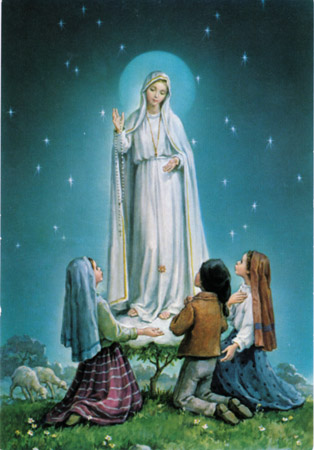 "Make of everything you can a sacrifice and offer it to God as an act of reparation for the sins by which He is offended, and in supplication, for the conversion of sinners."
Our Lady of Fatima
PAX
:heaven:


 ). The main topic is still *do our sins offend God? *

