J
Jen95
Guest
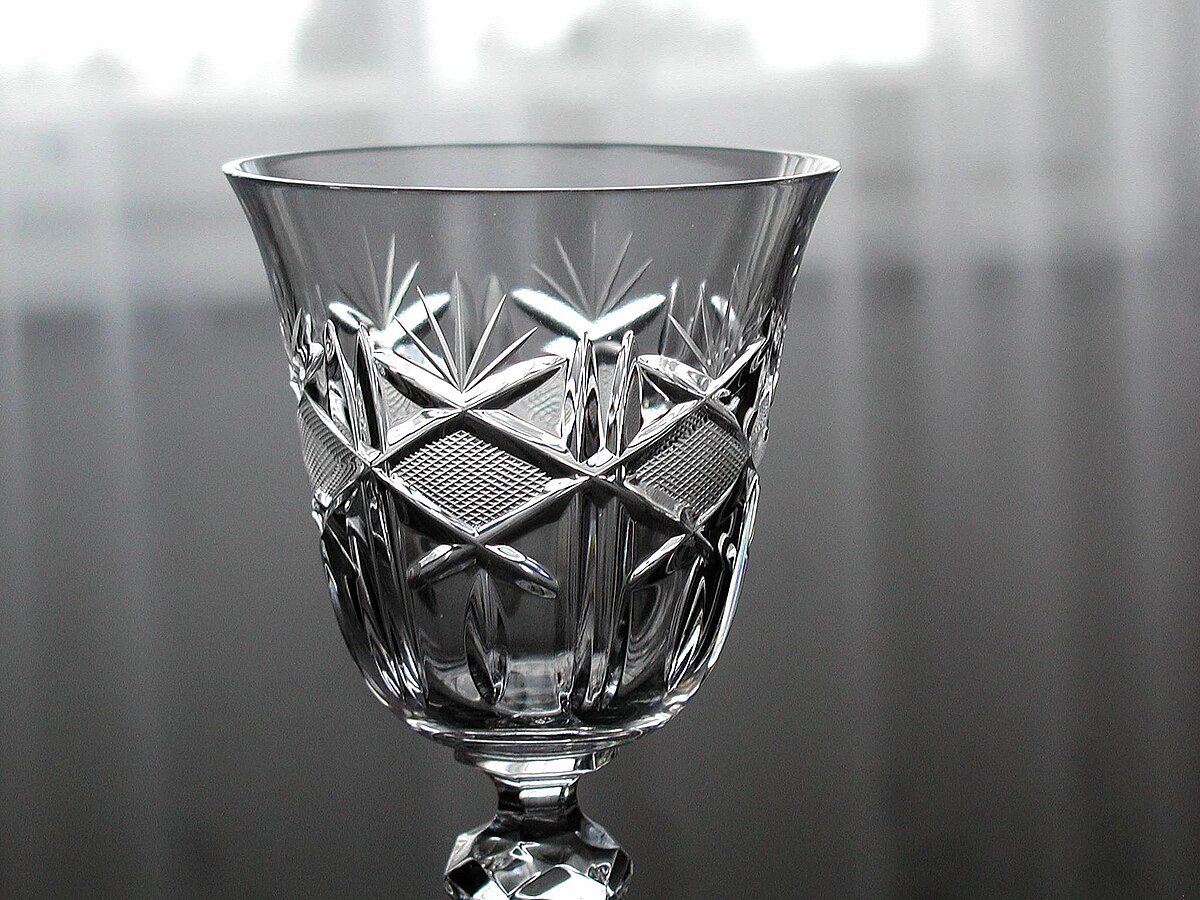
The fact that it is advertised as having no chips, cracks, or discoloration tells me why crystal is not a permissible material for the Communion vessels!

To repeat what I said in post 2 of the thread:Just curious – are you Catholic, and your pastor uses a “forbidden” material for the Communion vessels?

 wdtprs.com
Who has no authority outside his own parish.For some strange reason, this was also a topic for Father Z recently:
https://wdtprs.com/2020/01/ask-father-glass-chalices-again/
I’m confused. Was the old archbishop giving gifts of “plain cheap glass chalices” or “crystal chalices”?So basically, the chalices gradually have disappeared from use as the years have gone by, and you can gauge loyalty to the dead guy, in many places, by whether or not they still use the crystal.
But the parishes still using plain cheap glass chalices are either really poor or really radical.
Absolutely. From a materials science point of view, this is not up for debate, it is a fact.Crystal also known as flint glass or lead glass is a form of glass.
I ask myself this question so many times. In that same vein, why is “say the black, do the red” so hard to follow?Is it not easier just to follow the norms?
The priests don’t always purchase their own. In many situations these are given as gifts (perhaps by someone who didn’t bother to check with the priest first), or inherited from other priests who died.Why purchase one in the first place, why go to the trouble of bothering one’s bishop for permission, and why open yourself up for criticism?