P
patrick457
Guest
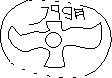
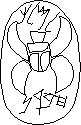
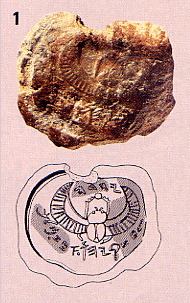
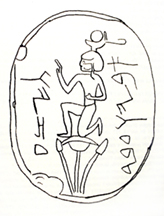
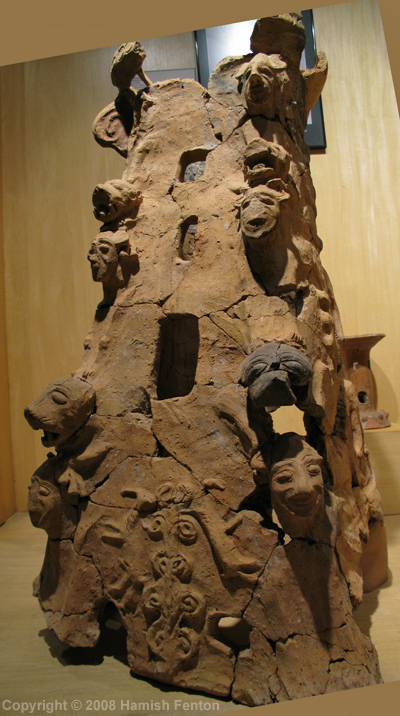
Just some thread where I’m gonna post some surviving examples of Israelite/Judahite art.
You all know the commandment: “You shall not make for yourself a carved image, or any likeness of anything that is in heaven above, or that is in the earth beneath, or that is in the water under the earth. You shall not bow down to them or serve them …” But what many people don’t know is that Jews had historically shifted from a more lenient interpretation of this commandment to a more stricter interpretation and then back again to a degree of leniency. In other words, in pre-exilic Israelite culture there was really no objection to the mere act of making works of art or figural depictions (the Old Testament itself infers this). However, by the 2nd century BC, perhaps in reaction to the Hellenization the Jews in Judea were forced to adopt, you see Jews adopt a more stricter interpretation of the commandment, in a number of ways really kind of par to Muslim aniconism. (Josephus records incidents where riots started all due to some public breach of this ‘no images’ commandment.) This continued until well around the 3rd century AD and later, when Jews once again took up figural art (cf. the Dura-Europos synagogue in Syria and the later synagogues in Palestine, for example the 6th-century Beth Alpha synagogue).
Without further ado:
You all know the commandment: “You shall not make for yourself a carved image, or any likeness of anything that is in heaven above, or that is in the earth beneath, or that is in the water under the earth. You shall not bow down to them or serve them …” But what many people don’t know is that Jews had historically shifted from a more lenient interpretation of this commandment to a more stricter interpretation and then back again to a degree of leniency. In other words, in pre-exilic Israelite culture there was really no objection to the mere act of making works of art or figural depictions (the Old Testament itself infers this). However, by the 2nd century BC, perhaps in reaction to the Hellenization the Jews in Judea were forced to adopt, you see Jews adopt a more stricter interpretation of the commandment, in a number of ways really kind of par to Muslim aniconism. (Josephus records incidents where riots started all due to some public breach of this ‘no images’ commandment.) This continued until well around the 3rd century AD and later, when Jews once again took up figural art (cf. the Dura-Europos synagogue in Syria and the later synagogues in Palestine, for example the 6th-century Beth Alpha synagogue).
Without further ado: