S
STT
Guest
Yes.Really?
Particles are simply the excitation modes of zero field.Quantum fluctuations come out zero field energy?
Vacuum state to me is the state of zero field.As in a vacuum state?

Yes.Really?
Particles are simply the excitation modes of zero field.Quantum fluctuations come out zero field energy?
Vacuum state to me is the state of zero field.As in a vacuum state?
Your conclusion is not correct. Can you imagine something which has no shape, color, etc.?Egg-zactly right, STT.
The definition of “nothing” has to change to be “something” in order for you to claim that something came out of nothing.
QED.
Well!Yes.
Particles are simply the excitation modes of zero field.
Vacuum state to me is the state of zero field.
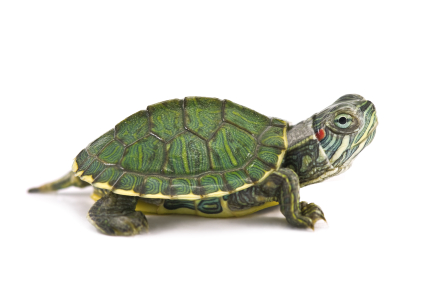
Sure.Your conclusion is not correct. Can you imagine something which has no shape, color, etc.?
I don’t understand what you are trying to say by this.Well!
Imagine if I said, “I’ve discovered a new organism! This!”
http://www.backwaterreptiles.com/images/turtles/red-eared-slider-turtle-for-sale.jpg
You say: emm…that’s a turtle.
I say: No. I don’t view that as a turtle. To me, this is a new organism.
What would your response be?
Well, you didn’t get my question. Think of a human being without shape, color, etc. Can you imagine this?Sure.
Numbers.
You made a claim.I don’t understand what you are trying to say by this.
No, I cannot.Well, you didn’t get my question. Think of a human being without shape, color, etc. Can you imagine this?
So that is nothing (second definition).No, I cannot.
Ok. A human being without shape or form is nothing.So that is nothing (second definition).
Total lack of being.By the way, what is your definition of nothing?
So, do you agree that we can have something out of nothing given the second definition?Ok. A human being without shape or form is nothing.
That is ambiguous. Isn’t the first definition of noting closer to what you think?Total lack of being.
I’ll concede the point if you would agree that I could re-define this animal to be a new organism I’ve discovered.So, do you agree that we can have something out of nothing given the second definition?
No, it’s absolutely not ambiguous.That is ambiguous.
It is because such a thing cannot exist. Why? Because there is no point before the act of creation.No, it’s absolutely not ambiguous.
I don’t think so. Lets open another line of discussion.I think, STT, that what I’ve walked you through, socratically, is the conclusion that was evident from the very beginning: creation of something out of nothing is the trump card of the Believer.
No, the act of creation was an act of will outside of time. There is no need for it to have been two acts at two points in time.I don’t think so. Lets open another line of discussion.
- I think we can agree upon definition of God who is the creator. Could we? Of course yes.
- Could we agree upon the fact that God as the creator can decide about the act of creation? Of course yes.
- Could we agree that there are two acts involved in creation of universe, namely the act of decision made by God and the act of creation when the second one follows the first one? Of course yes. But how such a thing is possible in timeless picture when there is no time and only one act is allowed? This means that we are left with the act of creation only since we exist. Let me know if you agree?
God is “outside” time.It is because such a thing cannot exist. Why? Because there is no point before the act of creation.
I don’t think so. Lets open another line of discussion.
- I think we can agree upon definition of God who is the creator. Could we? Of course yes.
- Could we agree upon the fact that God as the creator can decide about the act of creation? Of course yes.
- Could we agree that there are two acts involved in creation of universe, namely the act of decision made by God and the act of creation when the second one follows the first one? Of course yes. But how such a thing is possible in timeless picture when there is no time and only one act is allowed? This means that we are left with the act of creation only since we exist. Let me know if you agree?
- But what is the difference between God as it is defined and Quantum Fluctuation if God cannot decide?
You didn’t get my point so I repeat it again: There are two acts involved in creation of universe, act of decision and act of creation. God cannot possibly act without deciding. Could he?No, the act of creation was an act of will outside of time. There is no need for it to have been two acts at two points in time.
That I know.When God created time, He was capable of acting within time even though He is outside of time. The fact is that God sees all time at once, so all of His apparent choices in time are really just acts of His will in the eternal present (from God’s point of view).
That I know too.Additionally, the only reason we can speak of God’s actions as past, present, and future, is because from our perspective, these actions occur in time. This is not how God sees it, though.
That I know and that is the problem. You didn’t get my point.God is “outside” time.
I do get it.That I know and that is the problem. You didn’t get my point.