
M
midori
Guest
Didn’t the first day of the year used to be March 25th, as a sort of combination Lady Day/First Day of Spring?
At one point, the Council of Tours (567) abolished January 1st as the New Year. Sometimes it was December 25th (Christmas), sometimes it was March 1st (a la the Roman style in some periods), sometimes it was March 25th (Lady Day/Annunciation), sometimes it was Easter (which wasn’t so great, since it moved all over the place).
Sometimes, Annunciation was used as the start of the legal year (kind of like how a lot of people use October 1st as the beginning of their fiscal year), and it was a day for contracts and hiring and rents. (The other Quarter-Days were Midsummer’s Day, Michaelmas, and Christmas.)
At one point, the Annunciation was celebrated on April 5th (before the calendar change).
But the Annunciation and Michaelmas used to be celebrated with the same dignity as Christmas and Easter, and both used to be Holy Days of Obligation.
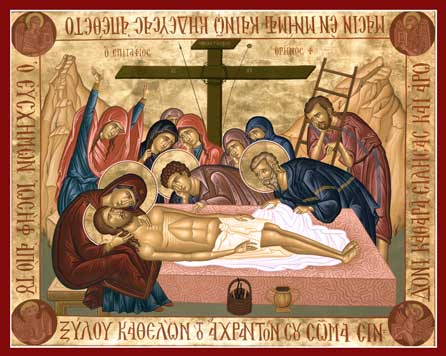
I want to say that in the Byzantine Church-- if it happens to fall on Good Friday, the Feast of the Annunciation is celebrated, because they don’t transfer feasts from one day to another. (They split the day-- Annunciation in the morning, and Good Friday in the afternoon.)
At one point, the Council of Tours (567) abolished January 1st as the New Year. Sometimes it was December 25th (Christmas), sometimes it was March 1st (a la the Roman style in some periods), sometimes it was March 25th (Lady Day/Annunciation), sometimes it was Easter (which wasn’t so great, since it moved all over the place).
Sometimes, Annunciation was used as the start of the legal year (kind of like how a lot of people use October 1st as the beginning of their fiscal year), and it was a day for contracts and hiring and rents. (The other Quarter-Days were Midsummer’s Day, Michaelmas, and Christmas.)
At one point, the Annunciation was celebrated on April 5th (before the calendar change).
But the Annunciation and Michaelmas used to be celebrated with the same dignity as Christmas and Easter, and both used to be Holy Days of Obligation.
I want to say that in the Byzantine Church-- if it happens to fall on Good Friday, the Feast of the Annunciation is celebrated, because they don’t transfer feasts from one day to another. (They split the day-- Annunciation in the morning, and Good Friday in the afternoon.)
Last edited:
 ).
).