Wonderful investiture of Benedictine postulants in Kansas City [Fr. Z]

  • Thread starter Thread starter Catholic_Opinion
  • Start date Start date
Status
Not open for further replies.
C

Catholic_Opinion

Guest
We talk a great deal, and rightly so, about praying for vocations among men. We must also pray both that women will answer a call and also have a place to go to realize that vocation.

Traditional communities of women are growing and happy.

One of my favorite groups of Benedictines, the Benedictines of Mary, Queen of Apostles near Kansas City, KA, had an investiture of postulants.

They are a wonderful and growing community.

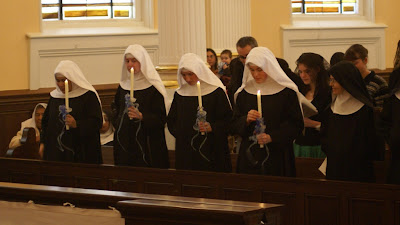
Here are a few photos of the investiture. You can find more at the site Kansas Catholic.

[IMG ]http://4.bp.blogspot.com/_gQoa_atqs-E/S0aFUtSl6OI/AAAAAAAACc4/9Ah9-wgnMDk/s400/DSC04556.JPG[/IMG]

[IMG ]http://4.bp.blogspot.com/_gQoa_atqs-E/S0aEuTJeUoI/AAAAAAAACbw/lDi4wguRsqQ/s400/DSC04602.JPG[/IMG]

Here is Bishop Robert Finn of Kansas City doing the honors.

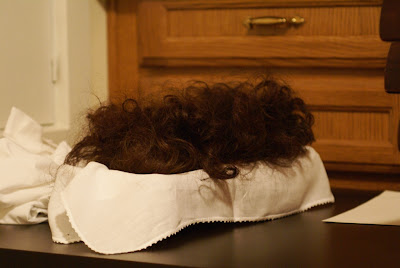
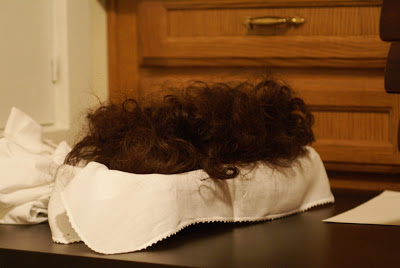
Cutting hair.

[IMG ]http://2.bp.blogspot.com/_gQoa_atqs-E/S0aDoFpJ7XI/AAAAAAAACbY/NHNT6BW4SbA/s400/DSC04728.JPG[/IMG]


There are some great photos on that site. I encourage you to take a look.

Just one more…

[IMG ]http://2.bp.blogspot.com/_gQoa_atqs-E/S0aALH1VenI/AAAAAAAACZQ/02EAXwd19Qw/s400/DSC04660.JPG[/IMG]

Post from: WDTPRS

Wonderful investiture of Benedictine postulants in Kansas City

Full entry…
 
I have often wondered if these orders which feature a “wedding” ceremony before investiture (which strikes me as odd, as a novice can leave or be dismissed at any time,short hair and all).–require their postulants to grow their hair–for the mandatory shearing. Many women, young and old, wear their hair short by preference.

I think that it would be more appropriate for the “wedding” to take place before final vows, when the “bride” is “married” --forever.
 
Anode: This is a tradition that is hundreds of years old. Why disparage those that wish to continue it?
 
I have often wondered if these orders which feature a “wedding” ceremony before investiture (which strikes me as odd, as a novice can leave or be dismissed at any time,short hair and all).–require their postulants to grow their hair–for the mandatory shearing. Many women, young and old, wear their hair short by preference.

I think that it would be more appropriate for the “wedding” to take place before final vows, when the “bride” is “married” --forever.
Code:
Her petition having been accepted, the postulant approaches her clothing day, or “Investiture.” ***St. Gertrude called the day of her Investiture the beginning of her conversion, and rightly so. Here, a decisive break from the world occurs, though prudence and Canon Law prohibit vows until the candidate has proved herself. The postulant dons a wedding gown to embark upon the long journey of her final and resolute espousal to Christ. ***She declares her intention before the community, her family and the Church. Her hair is cut as a sign of her renunciation of self, and she retires to replace her wedding gown with a long, black tunic. Each additional part of the habit is given to her with a prayer, including the white veil. Finally, as a sign of the new life which she has begun (hence the word “novice”) she is given a lit candle and her new name. Two years of intense prayer and preparation, with more detailed studies and formation in the monastic virtues follow.
 
Anode: This is a tradition that is hundreds of years old. Why disparage those that wish to continue it?
Actually it is not a tradition that is hundreds of years old.

It is a very recent inovation within religious life for religious orders that take solemn vows to have temporary vows. It used to be that when one made their vows they were permanent, no canonical three year temporary vows to deal with at all.
 
I have often wondered if these orders which feature a “wedding” ceremony before investiture (which strikes me as odd, as a novice can leave or be dismissed at any time,short hair and all).–require their postulants to grow their hair–for the mandatory shearing. Many women, young and old, wear their hair short by preference.

I think that it would be more appropriate for the “wedding” to take place before final vows, when the “bride” is “married” --forever.
The investiture of religious is not actually a wedding. The concept is one of the soul (male or female) starting a new life, just as a husband and wife begin a new life. Therefore, some religious communities of women adopted the wedding dress for the day of investiture. The focal point of this particular ritual is the investiture.

At the time of investiture you canonically become a religious. You are no longer a member of the secular faithful, even though you are not in vows. You are a member of your religious community. If you die during your novitiate, you are entitled to be buried in the habit of the professed. If there is time, you are allowed to make final vows on your death bed.

Religious communities do not require that postulants let their hair grow long. There are men’s communities who also shave their hair at the time of investiture, though these are usually monastic. Much is often made about the cutting of the hair, though I believe it is more interesting to the laity than it is to the religious. For the religiuos woman, it is a matter of practicality. Long hair under a veil, weather it’s with a coif or without it, can be very unsanitary and very uncomfortable. The cutting of the hair is also a symbollic action. It represents turning ones back on the vanities of the world. However, after the ritual, the sister is free to grow her hair as long as he wishes, unless the constitutions of the community require that she keep it cut short, which is rare.

The actual betrothal takes palce when you make vows. Whether the vows are temporary or perpetual, they are equally binding. The difference is the time. The graces that come from the vows are the same at temporary or perpetual profession. The covenant is in the profession of vows. The only difference between orders and congregations is that orders make solemn vows and congregation make simple vows. They are both binding. But the responsibilities and obligations are different.

The pictures we have here are of women beginning a new life. That’s what the entire ritual is about. It’s a transition from the secular world to the religious.

Fraternally,

Br. JR, OSF 🙂
 
Anode: This is a tradition that is hundreds of years old. Why disparage those that wish to continue it?
The question, is it–hundreds of years old?

This is a Benedictine order, which to my knowledge is the oldest order, certainly ONE of the oldest orders–extant. Benedictine nuns traditionally date back to Benedict’s (fraternal) twin, Scholastica, in the 6th century. Remember the legend, that she was living with her nuns in her own monastery when he visited herm and she caused a storm to keep him there; she died shortly afterward.

It is this ‘wedding’ ritual ancient? Is it really traditional in the Benedictine sense ? Any Benedictines on the forum know?

The cloistered Dominicans do not do this. The taking of the habit is in a small private ceremony and I don’t think the taking of temporary or final vows involves this . (See the Summit NJ website and Sr. M. Catherine’s comments on the novitiate ceremony). The Dominican nuns were founded by St. Dominic himself, before he founded his men’s order for his friars, I believe, in the 12th c.
 
The question, is it–hundreds of years old?

This is a Benedictine order, which to my knowledge is the oldest order, certainly ONE of the oldest orders–extant. Benedictine nuns traditionally date back to Benedict’s (fraternal) twin, Scholastica, in the 6th century. Remember the legend, that she was living with her nuns in her own monastery when he visited herm and she caused a storm to keep him there; she died shortly afterward.

It is this ‘wedding’ ritual ancient? Is it really traditional in the Benedictine sense ? Any Benedictines on the forum know?

The cloistered Dominicans do not do this. The taking of the habit is in a small private ceremony and I don’t think the taking of temporary or final vows involves this . (See the Summit NJ website and Sr. M. Catherine’s comments on the novitiate ceremony). The Dominican nuns were founded by St. Dominic himself, before he founded his men’s order for his friars, I believe, in the 12th c.
This is not a wedding ritual. The words of the ritual are very different from a wedding ritual. It can’t be a wedding ritual, because you need two persons who make vows to each other. There are no vows made at this time. Many communities adopted this ritual as an external symbol. It is meant to remind the woman religious that she is surrendering her life to her beloved as a bride surrenders her life to her beloved.

It is not exclusively a Benedictine tradition. Many religious communities of women had this practice. Most have done away with it, because they want the emphasis to be on the reception of habit and the beginning of a new life, rather than on the pageantry. The pageantry can be distracting. In those cases where the superior feels that it is a distraction, the bridal gown is eliminated. It is not necessary even though it is beautiful.

The reason that you do not see a bridal outfit when a religious makes vows, either temporary or perpetual is because at that point the religious has already been invested in the habit of the community. At the end of the novitiate, the religious exchanges the habit of probation for the habit of the professed members of the community. In some communities the habit of probation is simply a different veil over the habit of the congregation or order. In other cases it may simply be a change in the symbol, such as receiving the crucifix or medal that the community wears over its habit.

For example, the Sisters of Life in New York receive a white veil with a white band. At the end of the novitiate they change the white band on the veil for a blue one. Franciscans, Dominicans and Carmelite women wear a white veil during the novitiate year. When they make temporary vows they exchange it for a black veil. As you can see, they are already invested in the habit of the community, because they are already members of the community. They become members of the community when they begin the novitiate.

It’s important to keep in mind that the purpose of investiture is to vest or dress the religious in the habit of the community. The investiture takes place on the day that the man or woman enters the religious community. Postulants are not members of the community, but novices are canonical members. That is why the habit is given at the beginning of the novitiate.

Fraternally,

Br. JR, OSF 🙂
 
This is not a wedding ritual. The words of the ritual are very different from a wedding ritual. It can’t be a wedding ritual, because you need two persons who make vows to each other. There are no vows made at this time. Many communities adopted this ritual as an external symbol. It is meant to remind the woman religious that she is surrendering her life to her beloved as a bride surrenders her life to her beloved.

It is not exclusively a Benedictine tradition. Many religious communities of women had this practice. Most have done away with it, because they want the emphasis to be on the reception of habit and the beginning of a new life, rather than on the pageantry. The pageantry can be distracting. In those cases where the superior feels that it is a distraction, the bridal gown is eliminated. It is not necessary even though it is beautiful.

The reason that you do not see a bridal outfit when a religious makes vows, either temporary or perpetual is because at that point the religious has already been invested in the habit of the community. At the end of the novitiate, the religious exchanges the habit of probation for the habit of the professed members of the community. In some communities the habit of probation is simply a different veil over the habit of the congregation or order. In other cases it may simply be a change in the symbol, such as receiving the crucifix or medal that the community wears over its habit.

For example, the Sisters of Life in New York receive a white veil with a white band. At the end of the novitiate they change the white band on the veil for a blue one. Franciscans, Dominicans and Carmelite women wear a white veil during the novitiate year. When they make temporary vows they exchange it for a black veil. As you can see, they are already invested in the habit of the community, because they are already members of the community. They become members of the community when they begin the novitiate.

It’s important to keep in mind that the purpose of investiture is to vest or dress the religious in the habit of the community. The investiture takes place on the day that the man or woman enters the religious community. Postulants are not members of the community, but novices are canonical members. That is why the habit is given at the beginning of the novitiate.

Fraternally,

Br. JR, OSF 🙂
My point is that it’s not Benedictine (or Dominican) at all. It is pageantry and it definitely resembles a wedding. It sort of suggests a default or substitute wedding for someone who isn’t going to have a real one. Because the process can be terminated by either the order or the new novice as early as the next day, it does not resembles a marriage ceremony which is at least intended to last for life.
 
40.png
anode:
🤷
 
Br JR,
Thank you for pointing out that this takes place at the entrance to the novitiate, makes sense to me now.
My point is that it’s not Benedictine (or Dominican) at all. It is pageantry and it definitely resembles a wedding. It sort of suggests a default or substitute wedding for someone who isn’t going to have a real one. Because the process can be terminated by either the order or the new novice as early as the next day, it does not resembles a marriage ceremony which is at least intended to last for life.
Except, as already stated, a wedding has two participants and follows a certain form, both of which are not present in this ceremony. Not all female religious go through this as it depends on the order, some orders have actually dropped this ceremony.

If you go only by pictures taken then yes you are right but the pictures do not tell us much.

Also if it is a wedding substitute then why the cutting of the hair? Why the redressing from the “wedding” gown to the habit?
 
Br JR,
Thank you for pointing out that this takes place at the entrance to the novitiate, makes sense to me now.

Except, as already stated, a wedding has two participants and follows a certain form, both of which are not present in this ceremony. Not all female religious go through this as it depends on the order, some orders have actually dropped this ceremony.

If you go only by pictures taken then yes you are right but the pictures do not tell us much.

Also if it is a wedding substitute then why the cutting of the hair? Why the redressing from the “wedding” gown to the habit?
Of course, it’s not a precise parallel. but the symbolism of the* wedding dress* is very powerful. Female posters will recognize this, particularly in view of the rash of popular TV programs about weddings, all aspects, including the dresses (One of my guilty favorites: *Say Yes to the Dress for example). Also, I have had a lo-ong and happy marriage and I guess I resent comparison of real *marriage with a ceremony that looks like a wedding but isn’t. And this ceremony is certainly not mandatory, and I suspect, is not ancient, and the three main branches of women’s religious life all have ancient roots.
 
The cloistered Dominicans do not do this. The taking of the habit is in a small private ceremony and I don’t think the taking of temporary or final vows involves this . (See the Summit NJ website and Sr. M. Catherine’s comments on the novitiate ceremony). The Dominican nuns were founded by St. Dominic himself, before he founded his men’s order for his friars, I believe, in the 12th c.
Some cloistered Dominican communities have a wedding dress and hair-cutting. The first time I ever saw an investiture ceremony, in fact, it was on a rather nice video of the Lockport Dominicans. It is a small and (usually) private ceremony, but as one of the Sisters says, in this case they opened it to the cameras to show an aspect of the religious life to a young, visually-oriented generation who might not be aware that such a thing still exists.
youtube.com./watch?v=jJRbB0Oahls
The hair-cutting starts at 3:22, but the rest of the video is well worth watching for the context.
 
I have seen the Lockport video and it was very moving–it is a few years old. I don’t think that Lockport is a branch of the Dominican nuns, as, say, Summit NJ is–I believe that it is diocesan. Sr. Mary Catherine, the novice director for Summit, wrote in their blog concerning a recent novice investiture that it was a small private ceremony and didn’t appear to involve a ‘bridal’ ceremony.

BTW, anyone know how Lockport is doing? They don’t have a website.
 
I have seen the Lockport video and it was very moving–it is a few years old. I don’t think that Lockport is a branch of the Dominican nuns, as, say, Summit NJ is–I believe that it is diocesan. Sr. Mary Catherine, the novice director for Summit, wrote in their blog concerning a recent novice investiture that it was a small private ceremony and didn’t appear to involve a ‘bridal’ ceremony.

BTW, anyone know how Lockport is doing? They don’t have a website.
Are they Dominican Sisters or Dominican Nuns? All Dominican Sisters are diocesan. They are not under the jurisdiction of the Dominican Order. Dominican Nuns are under the Dominican Order and follow the Rule of St. Augustine. The Dominican Sisters may choose to follow the Rule of St. Augustine, but are not bound to do so.

Fraternally,

Br. JR, OSF 🙂
 
Are they Dominican Sisters or Dominican Nuns? All Dominican Sisters are diocesan. They are not under the jurisdiction of the Dominican Order. Dominican Nuns are under the Dominican Order and follow the Rule of St. Augustine. The Dominican Sisters may choose to follow the Rule of St. Augustine, but are not bound to do so.

Fraternally,

Br. JR, OSF 🙂
I* think *that they’re Dominican cloistered sisters. They’re not listed in the ‘official’ OP website

usaopnuns.org/index.html

—under the nuns. Dominicans are very organized and, for example, this sites lists the nuns who are ‘members’ and those who are ‘affiliated’. (The list is also outdated–Camden and Union City have closed).

As of the 29th ed of “The Guide to Religious Ministries…” they had only 5 professed members, listed as ‘sisters’.
 
I* think *that they’re Dominican cloistered sisters. They’re not listed in the ‘official’ OP website

usaopnuns.org/index.html

—under the nuns. Dominicans are very organized and, for example, this sites lists the nuns who are ‘members’ and those who are ‘affiliated’. (The list is also outdated–Camden and Union City have closed).

As of the 29th ed of “The Guide to Religious Ministries…” they had only 5 professed members, listed as ‘sisters’.
I checked it out. They are Dominican Nuns. They are not sisters. And they are not diocesan. The problem is that we often refer to all women religious as Sister and Nun interchangeably.

A nun is a women religious who makes solemn vows. A sister is a women religious who makes simple vows. There is a canonical difference and there are also different graces that come with the profession of vows.

Normally, nuns are enclosed. But some do engage in apostolic work, such as Mother Angelica, the Visitation nuns often run schools in their monasteries, some communities of nuns provide religious education to children

Sisters, are apostolic. They live outside in the secular world. Some sisters are enclosed such as one of the branches of the Missionaries of Charity. Sisters engage in many apostolic works.

But it is proper to call a woman religious, either a nun or a sister, Sister N.

Fraternally,

Br. JR, OSF 🙂
 
I checked it out. They are Dominican Nuns. They are not sisters. And they are not diocesan. The problem is that we often refer to all women religious as Sister and Nun interchangeably.

A nun is a women religious who makes solemn vows. A sister is a women religious who makes simple vows. There is a canonical difference and there are also different graces that come with the profession of vows.

Normally, nuns are enclosed. But some do engage in apostolic work, such as Mother Angelica, the Visitation nuns often run schools in their monasteries, some communities of nuns provide religious education to children

Sisters, are apostolic. They live outside in the secular world. Some sisters are enclosed such as one of the branches of the Missionaries of Charity. Sisters engage in many apostolic works.

But it is proper to call a woman religious, either a nun or a sister, Sister N.

Fraternally,

Br. JR, OSF 🙂
The Lockport Dominicans don’t have a website, so there is no information on their origins readily available. They don’t appear to be either members or ‘affiliates’ of the group of Nuns who are listed on the international website of the Order of Preachers. There is something unusual about their founding and origins (the Lockport Dominicans) but I don’t remember what it is.
 
The Lockport Dominicans don’t have a website, so there is no information on their origins readily available. They don’t appear to be either members or ‘affiliates’ of the group of Nuns who are listed on the international website of the Order of Preachers. There is something unusual about their founding and origins (the Lockport Dominicans) but I don’t remember what it is.
If you look at the website again, there is a little cross next to their name. At the bottom it says that those with the cross are members of the Order of Preachers.

Fraternally,

Br. JR, OSF 🙂
 
If you look at the website again, there is a little cross next to their name. At the bottom it says that those with the cross are members of the Order of Preachers.

Fraternally,

Br. JR, OSF 🙂
Here’s where I didn’t find them.

usaopnuns.org/

I went to www.op.org, then to the site map for nuns’ websites, where I didn’t find them listed, but found the above website listed under USA Dominican nuns, went to this website and looked through the list on the left of monasteries and they weren’t there.

Where did you find them listed?
 
Status
Not open for further replies.
Back
Top