J
Jimmy_B
Guest
It probably goes back to Charles Finney (who was a heretic) and the second “Great Awakening.”
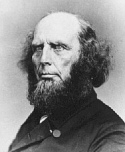
Charles Finney

It probably goes back to Charles Finney (who was a heretic) and the second “Great Awakening.”
I have.I have never heard a Protestant call Finney a “heretic”.
spurgeon.org/~phil/articles/finney.htmCharles Grandison Finney was a heretic. That language is not too strong. Though he excelled at cloaking his opinions in ambiguous language and biblical-sounding expressions, his views were almost pure Pelagianism.


If you read church history there has always been different kinds of beliefs. Even in the Catholic church today there are different beliefs.http://upload.wikimedia.org/wikipedia/commons/e/e2/Martin_Luther.jpg
Martin Luther
http://www.nycphantom.com/store/JohnCalvin.jpg%between%
John Calvin
http://www.royal.gov.uk/files/images/Insight_May04_Mailbox_HenryVIII_large.jpg
King Henry VIII
http://upload.wikimedia.org/wikipedia/commons/d/dc/James_I,_VI_by_John_de_Critz,_c.1606..png%between%
King James I
http://anglicanhistory.org/wesley/jwesley.jpg
John Wesley
http://upload.wikimedia.org/wikiped...ness.jpg/485px-George_Whitefield_likeness.jpg%between%
George Whitefield
http://upload.wikimedia.org/wikipedia/en/c/c3/Egw1899info.jpg%between%
Ellen White
Religion…, Religions…, or beliefs of “men”….
Protestant, non-Catholic Christians today, are the followers of other… Protestant, non-Catholic Christians and that is where their beliefs can be found.
Yet for some reason, many here act like they “figured it all out” on their own…they didn’t.
These are seven people (pictured above) who thought that they were “right” and that everyone else who preceded them was wrong…wrong about something “Christian”…wrong about an interpretation. This is why the Protestant doctrine of “Personal Interpretation" is so wrong…it has been a disaster and the cause of divisions and sub-divisions of Christianity.
There isn’t enough room here, to list all of the “men” (and women) that started their own, non-Catholic Christian denomination, or had “their say”, or came up with “something new”, or tried to re-invent Christianity, this has been going on for more than 500 years now.
There is a face, a human face, behind every “new” Protestant, non-Catholic Christian ideal, interpretation, denomination and belief.
When I read posts here, where people write that the Catholic Church is an institution, “created by men” and that the Catholic Church is “wrong” about, this or that, I just smile and shake my head.
Would someone here, please explain why there is more than one Christian religion. Isn’t it because non-Catholic, Protestant Christians cannot make up their mind, whose beliefs it is that they want to follow?
Peace
Your question presupposes we agree that we are following a certain person. However, I did like the picture of Luther you foundhttp://upload.wikimedia.org/wikipedia/commons/e/e2/Martin_Luther.jpg
Martin Luther
Yet for some reason, many here act like they “figured it all out” on their own…they didn’t.
These are seven people (pictured above) who thought that they were “right” and that everyone else who preceded them was wrong…wrong about something “Christian”…wrong about an interpretation. This is why the Protestant doctrine of “Personal Interpretation" is so wrong…it has been a disaster and the cause of divisions and sub-divisions of Christianity.
There isn’t enough room here, to list all of the “men” (and women) that started their own, non-Catholic Christian denomination, or had “their say”, or came up with “something new”, or tried to re-invent Christianity, this has been going on for more than 500 years now.
There is a face, a human face, behind every “new” Protestant, non-Catholic Christian ideal, interpretation, denomination and belief.
When I read posts here, where people write that the Catholic Church is an institution, “created by men” and that the Catholic Church is “wrong” about, this or that, I just smile and shake my head.
Would someone here, please explain why there is more than one Christian religion. Isn’t it because non-Catholic, Protestant Christians cannot make up their mind, whose beliefs it is that they want to follow?
Peace

He was a heretic because he was a full blown Pelagian.I have never heard a Protestant call Finney a “heretic”. What do you base your charge on? And what do you have against the second “Great Awakening”?
I know… and I’m glad that you like the picture of Martin LutherYour question presupposes we agree that we are following a certain person. However, I did like the picture of Luther you found
…but you appreciate the point I was making…right?Yes, I do. One has to examine each of these individuals and what distinguished them from each other. Take Calvin, for example (he’s a mutual punching bag for Lutherans and Catholics). He taught that the real presence is not real, and that baptism doesn’t save. Had the Catholic Church ever taught that before? Or double predestination? Ellen White taught that the Sabbath is still on Saturday. Had the Catholic Church ever taught that? King Henry stated he was the head of the Church of England. Had the Catholic Church ever taught that?I know… and I’m glad that you like the picture of Martin Luther
Peace
)
Not taught as part of the deposit of faith. Some don’t believe, and some don’t follow the teaching. Some left Jesus in John 6:66. By what process do you think your faith tradition came about? I’m with my bro’ Jimmy here.If you read church history there has always been different kinds of beliefs. Even in the Catholic church today there are different beliefs.
No, ja4. I cannot tell if this is a lie that you have been taught, or one you made up, but either way, it is a lie.Is it not true that while a person is in a state of mortal sin he is not a child of God, is dead in his trespasses and sins and has no grace in him?
Yes, every individual reflects individual beliefs. However, there is one unified Catholic Teaching. Those who adhere to that Teaching are Catholics in good standing. I think the majority of “catholics” are not in good standing, because they reject one or more of the Apostolic Teachings.If you read church history there has always been different kinds of beliefs. Even in the Catholic church today there are different beliefs.
Since Luther’s teaching varied from that of the church, essentially his followers were following… him. Oh, Christ was the reason, but they sought Luther to come closer to God.I know… and I’m glad that you like the picture of Martin Luther
Peace
Why not let the history speak for itself:Since Luther’s teaching varied from that of the church, essentially his followers were following… him. Oh, Christ was the reason, but they sought Luther to come closer to God.
Kinda like Mary except for the lack of immaculate conception, huh?
Christ’s peace.
Hello sola_scriptura,OSAS is an erroneous understanding of perseverance of the saints, the latter a doctrine I hold to.
Here is the proper view on this matter:
Perseverance of the Saints does not mean “once saved always saved”. This corruption of the doctrine has been popular in recent years, but has never been a true representation of the doctrine. “Once saved always saved” is more keenly given the name “Perseverance of the sinner” instead of “the saint”. For it teaches that man can be saved by Christ and then sin habitually, do whatever he wants, and then still “persevere to the end”. Perseverance of the saints does not teach this. Perseverance of the saints teaches that once God has renewed the heart of a sinner through the application of the redemption wrought by Christ upon the cross, he will continue to be saved and show forth the fruits of that salvation. The sinner perseveres because of Christ, but he continually shows himself as one who has been changed by Christ. God has saved the individual and will sanctify him until the end when he is ultimately glorified, and in heaven. It does not mean man has a license to sin. Those who think they have a license to sin are not changed and saved by grace. They are still in sin. Those who are saved by grace and changed, desire to show forth the fruits of that salvation. God motions the heart to good work, and continues that good work to the end.
apuritansmind.com/TULIP/PerseveranceOfTheSaints.htm
John 6:37-39, “All that the Father giveth me shall come to me; and him that cometh to me I will in no wise cast out. For I came down from heaven, not to do mine own will, but the will of him that sent me. And this is the Father’s will which hath sent me, that of all which he hath given me I should lose nothing, but should raise it up again at the last day.”
Phil. 1:6, “Being confident of this very thing, that he which hath begun a good work in you will perform it until the day of Jesus Christ:”
1 Thess. 5:23-24, “And the very God of peace sanctify you wholly; and I pray God your whole spirit and soul and body be preserved blameless unto the coming of our Lord Jesus Christ. Faithful is he that calleth you, who also will do it.”
2 Tim. 4:18, “And the Lord shall deliver me from every evil work, and will preserve me unto his heavenly kingdom: to whom be glory for ever and ever. Amen.”
1 Peter 1:23, “Being born again, not of corruptible seed, but of incorruptible, by the word of God, which liveth and abideth for ever.”
Romans 8:29, “For whom he did foreknow, he also did predestinate to be conformed to the image of his Son, that he might be the firstborn among many brethren.”
Ephesians 2:10, “For we are his workmanship, created in Christ Jesus unto good works, which God hath before ordained that we should walk in them.”
Hello sola_scriptura,OSAS is an erroneous understanding of perseverance of the saints, the latter a doctrine I hold to.
Here is the proper view on this matter:
Perseverance of the Saints does not mean “once saved always saved”. This corruption of the doctrine has been popular in recent years, but has never been a true representation of the doctrine. “Once saved always saved” is more keenly given the name “Perseverance of the sinner” instead of “the saint”. For it teaches that man can be saved by Christ and then sin habitually, do whatever he wants, and then still “persevere to the end”. Perseverance of the saints does not teach this. Perseverance of the saints teaches that once God has renewed the heart of a sinner through the application of the redemption wrought by Christ upon the cross, he will continue to be saved and show forth the fruits of that salvation. The sinner perseveres because of Christ, but he continually shows himself as one who has been changed by Christ. God has saved the individual and will sanctify him until the end when he is ultimately glorified, and in heaven. It does not mean man has a license to sin. Those who think they have a license to sin are not changed and saved by grace. They are still in sin. Those who are saved by grace and changed, desire to show forth the fruits of that salvation. God motions the heart to good work, and continues that good work to the end.
apuritansmind.com/TULIP/PerseveranceOfTheSaints.htm
John 6:37-39, “All that the Father giveth me shall come to me; and him that cometh to me I will in no wise cast out. For I came down from heaven, not to do mine own will, but the will of him that sent me. And this is the Father’s will which hath sent me, that of all which he hath given me I should lose nothing, but should raise it up again at the last day.”
Phil. 1:6, “Being confident of this very thing, that he which hath begun a good work in you will perform it until the day of Jesus Christ:”
1 Thess. 5:23-24, “And the very God of peace sanctify you wholly; and I pray God your whole spirit and soul and body be preserved blameless unto the coming of our Lord Jesus Christ. Faithful is he that calleth you, who also will do it.”
2 Tim. 4:18, “And the Lord shall deliver me from every evil work, and will preserve me unto his heavenly kingdom: to whom be glory for ever and ever. Amen.”
1 Peter 1:23, “Being born again, not of corruptible seed, but of incorruptible, by the word of God, which liveth and abideth for ever.”
Romans 8:29, “For whom he did foreknow, he also did predestinate to be conformed to the image of his Son, that he might be the firstborn among many brethren.”
Ephesians 2:10, “For we are his workmanship, created in Christ Jesus unto good works, which God hath before ordained that we should walk in them.”
Question on Calvin; what led him to conclude that the real presence is not real and that baptism doesn’t save? I assume he had a reason. Did he dismiss these teachings on the basis of pre-destination?Take Calvin, for example (he’s a mutual punching bag for Lutherans and Catholics). He taught that the real presence is not real, and that baptism doesn’t save.
Individual Catholics may well have different beleifs. The Church, however does not.If you read church history there has always been different kinds of beliefs. Even in the Catholic church today there are different beliefs.