Curiosity as to why Europeans are willing to give up political sovereignty when they don’t need that in order to have free trade.
Do you have a customs union with Canada and Mexico involving a uniform system of customs duties on goods imported from outside; where workers, capital, services and goods can move freely across the border? A borderless zone of free movement for labour without passports and all other types of border control? A single currency? What about complete harmonisation of standards and a common economic zone that shares the same trade policies?
Last time I checked, you had a full hard border with physical infrastructure, with customs posts, people in uniforms with arms and dogs.
All of the above have benefits that extend far behind mere “
free trade”. The European Economic Area of the EU has a one-rule-for-all policy for members operating within a single market economy, rather than separate rules and regulations as still operate within Canada and the USA. NAFTA only makes temporary arrangements for business visitors or investors to move freely, whereas the EEA gives all EU citizens the equal right to live, work, study, settle down or establish a business in another EU member state without any limits and with no discrimination on the basis of nationality.
The main barriers to trade are not tariffs. They are regulatory barriers arising from a lack of harmonisation in standards and laws arising from completely sovereign states, understandably, legislating differently.
A truly frictionless, single free market cannot be created between two sovereign states who aren’t willing to voluntary pool some of their sovereignty. Shave away a tariff there, embrace a little bit of common cross-border regulation there to cut away the red-tape in a few important industries, pass any disputes along to a joint tribunal, allow for a degree of transnational rights of audience in courts - sure that can all be done.
But it has limits to how “
close” the two economies can ever be. They remain two distinct economies. If you want to go further and remove all limits (all non-tariff barrirers), you need to integrate more - customs being the first and from there, as with the German
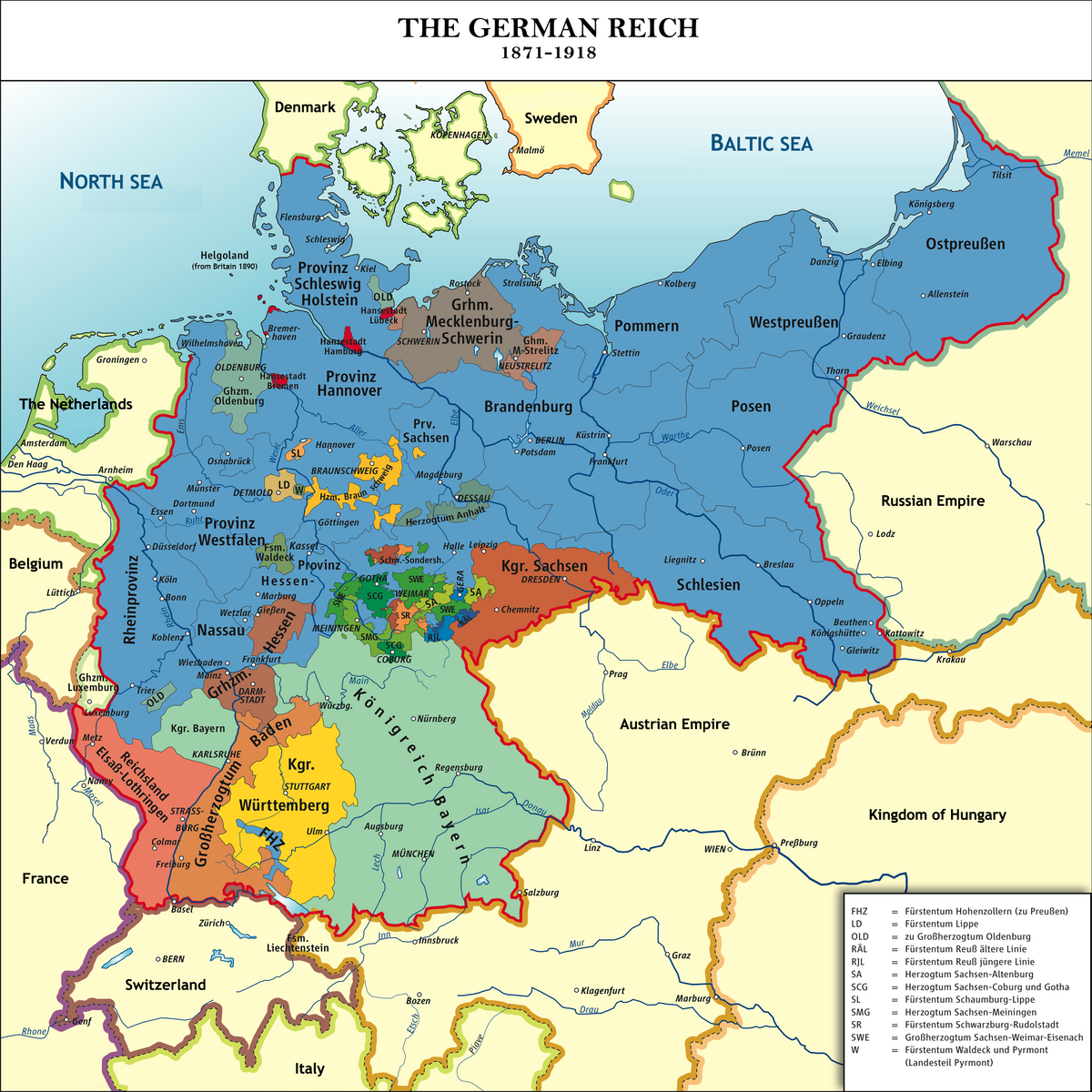
Zollverein (Customs Union) of 1834, the process tends to result in full economic union over time, facilitated by increasing political convergence in order ro foster the harmonisation needed for frictionless market access.
Reciprocity is great, among friends a lot can be shared. But it will never be like a marriage. There are no friends with benefits, short of tying the knot, when it comes to economics - as Britain will soon discover now that we’ve been through our divorce (although the financial settlement still awaits).
Friendship works for the U.S. and Canada. Hopefully it will for the UK as well but the problem is that whilst a slender majority of Brits no longer liked being ‘married’ to Brussels, they still want to act like we a married couple. We can certainly be friends but not ‘a little bit married’ / ‘friends with benefits’.


 www.bitchute.com