F
FloridaAngler
Guest
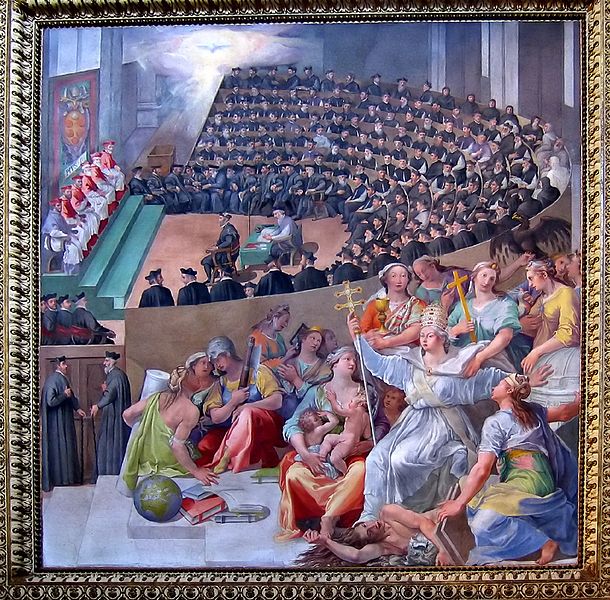
The Catholic Church goes much further than that. It declares anyone who believes the Gospel to be “anathema”.

So it means you are not saved yet. You haven’t run the race until the finishing line.This may be “what you heard”, but it’s a lie. Nobody who affirms the Biblical doctrine of eternal security believes you don’t sin after you’re saved.
Yup, you can live in your own bubble but it does not mean that will really go to heaven. Only God decides that, not you or your religion.In your religion, I would not be saved yet. In our religion, yes, I’m saved.
I can’t tell what denomination’s beliefs, if any, you adhere to. Who is the “our” you reference in “our religion?” And what is its/your position on the tenets I’ve ascribed to Fundamentalism (post #5 in this thread)?In your religion, I would not be saved yet. In our religion, yes, I’m saved.
Christianity.Who is the “our” you reference in “our religion?”
First, you try to put everybody who believes in the Biblical doctrine of eternal security into the “fundamentalist” camp. I get that that’s a Catholic thing, to try to demean anybody who disagrees with Catholic doctrine, but it’s not true and makes you look like you’re just out to put down anybody who affirms the Biblical doctrine of eternal security.And what is its/your position on the tenets I’ve ascribed to Fundamentalism (post #5 in this thread)?
Are you saying the Catholic Church does not believe in the Gospels?The Catholic Church goes much further than that. It declares anyone who believes the Gospel to be “anathema”
Correct. And then, in v 11, he tells them that they WERE those people, but are no longer, because they have been “washed, sanctified, and justified in the name of the Lord Jesus Christ and by the Spirit of our God.”You claimed though that when Paul warns that anyone who is deceitful, immoral, adulterous and idolatrous, that this does not apply to believers. Yet, Paul is not writing though to non believers, but to believers, warning them that anyone who does such things shall not enter the Kingdom, and the sacrifice for sins no longer remains for them.
So what does it mean, and how did the council of Trent use this termCouncil of Trent, and yes, I do.
 www.patheos.com