
H
Hesychios
Guest
Early Christianity in India
A bit of Christian history often overlooked.
It is rare to see an article that attempts to cover the entire story of the Christian community established by Saint Thomas in India. I will not vouch for the complete accuracy, but I give then a lot of credit for trying so hard to be comprehensive.
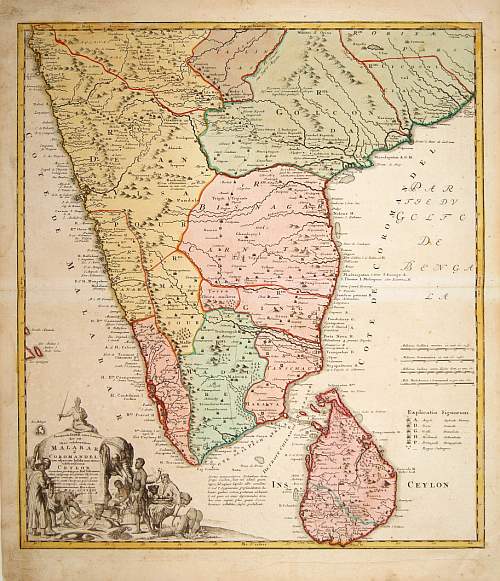
For those who are curious a little background, the region is at the southern/western edge of India, which was a trading stop between the Roman empire and points further east. There was actually a community of Jews in the region in Jesus Christ’s day with several synagogs.
http://www.metmuseum.org/toah/hg/hg_d_trade_d1map.jpg
Early St. Thomas Christians
The followers were called St. Thomas Christians. There is no documentary evidence referring to the way the Indian Church was governed during early centuries. This is because Archbishop Menezis destroyed all the historical records in 1599 AD. The church established by St. Thomas in the Malabar Coast remained as an independent group, and got their bishops from Eastern Orthodox Church in Antioch in Syria.
They had their own practices and ways of life - It was mostly Hindu in culture and Christian in belief. The St. Thomas Christians used the East Syrian liturgy from the earliest times, since Aramaic (East Syriac) was the language spoken by Jesus and His disciples. This liturgy is attributed to Addai, the disciple of St. Thomas, whom the Apostle sent to Edessa and Mari the disciple of Addai who worked in Seleucia. Addai and Mari are considered the Apostles of Edessa and Seleucia. They received the fundamental structure of the liturgy from St. Thomas himself. The Malabar Christians were aware of the developments of the liturgy in Edessa and Seleucia. They accepted these developments in East Syrian liturgy because they were connected with the name of their Apostle Thomas and were resplendent with resonances of what they themselves had originally received from St. Thomas.
As a Church that existed outside the Roman Empire, the Church of the St. Thomas Christians had little contact with Rome. They maintained communion with the Church of Persian Empire, which later came to be known as the East Syrian or Chaldean or Babylonian Church which was under the jurisdiction of the Patriarchate of Antioch until 498 AD. This Church, with its liturgical center in Edessa, had also claimed its origin from St. Thomas. Thus the East Syrian or Chaldean liturgy was used by the St. Thomas Christians. This East Syrian Church and its liturgy developed by Mar Addai and Mar Mari from Palestinian Christianity through Antioch and Edessa and they resisted the influence of Constantinople.
A Catholicate of the East was established at the Jerusalem Synod in 231 A.D. The headquarters of the Church was first in Edessa in Persia. The Patriarch of Antioch used to appoint a Archbishop entitled CATHOLICOSE to administer this Eastern Dioceses (parts of Persian Empire) beyond the boundaries of the Roman Empire. This institution was setup to serve as a link between the Patriarch of Antioch, and the Syrian Christian Community in Persia who found the journey to the Patriarchate at Antioch, hazardous because of the bitter political rivalry between the Roman and Persian empires. The Indian Church was administered by these Maphriyono’s of the East and Metropolitans. But due to local persecutions and other restraints it was not easy to send bishops frequently to Malabar to administer Holy Mooron and sacraments. Hence, except for ecclesiastical assistance, the Malankara Church remained independent.
More…
A bit of Christian history often overlooked.
It is rare to see an article that attempts to cover the entire story of the Christian community established by Saint Thomas in India. I will not vouch for the complete accuracy, but I give then a lot of credit for trying so hard to be comprehensive.
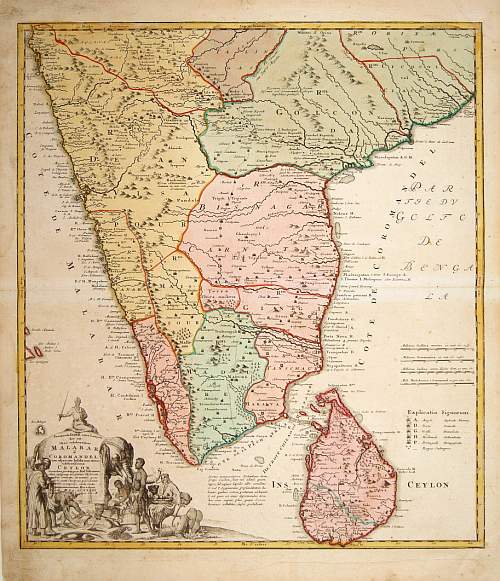
For those who are curious a little background, the region is at the southern/western edge of India, which was a trading stop between the Roman empire and points further east. There was actually a community of Jews in the region in Jesus Christ’s day with several synagogs.
http://www.metmuseum.org/toah/hg/hg_d_trade_d1map.jpg
Early St. Thomas Christians
The followers were called St. Thomas Christians. There is no documentary evidence referring to the way the Indian Church was governed during early centuries. This is because Archbishop Menezis destroyed all the historical records in 1599 AD. The church established by St. Thomas in the Malabar Coast remained as an independent group, and got their bishops from Eastern Orthodox Church in Antioch in Syria.
They had their own practices and ways of life - It was mostly Hindu in culture and Christian in belief. The St. Thomas Christians used the East Syrian liturgy from the earliest times, since Aramaic (East Syriac) was the language spoken by Jesus and His disciples. This liturgy is attributed to Addai, the disciple of St. Thomas, whom the Apostle sent to Edessa and Mari the disciple of Addai who worked in Seleucia. Addai and Mari are considered the Apostles of Edessa and Seleucia. They received the fundamental structure of the liturgy from St. Thomas himself. The Malabar Christians were aware of the developments of the liturgy in Edessa and Seleucia. They accepted these developments in East Syrian liturgy because they were connected with the name of their Apostle Thomas and were resplendent with resonances of what they themselves had originally received from St. Thomas.
As a Church that existed outside the Roman Empire, the Church of the St. Thomas Christians had little contact with Rome. They maintained communion with the Church of Persian Empire, which later came to be known as the East Syrian or Chaldean or Babylonian Church which was under the jurisdiction of the Patriarchate of Antioch until 498 AD. This Church, with its liturgical center in Edessa, had also claimed its origin from St. Thomas. Thus the East Syrian or Chaldean liturgy was used by the St. Thomas Christians. This East Syrian Church and its liturgy developed by Mar Addai and Mar Mari from Palestinian Christianity through Antioch and Edessa and they resisted the influence of Constantinople.
A Catholicate of the East was established at the Jerusalem Synod in 231 A.D. The headquarters of the Church was first in Edessa in Persia. The Patriarch of Antioch used to appoint a Archbishop entitled CATHOLICOSE to administer this Eastern Dioceses (parts of Persian Empire) beyond the boundaries of the Roman Empire. This institution was setup to serve as a link between the Patriarch of Antioch, and the Syrian Christian Community in Persia who found the journey to the Patriarchate at Antioch, hazardous because of the bitter political rivalry between the Roman and Persian empires. The Indian Church was administered by these Maphriyono’s of the East and Metropolitans. But due to local persecutions and other restraints it was not easy to send bishops frequently to Malabar to administer Holy Mooron and sacraments. Hence, except for ecclesiastical assistance, the Malankara Church remained independent.
More…

 and also this


