The Czech tribes of Moravia helped Charlemagne destroy the Avar Empire (where Hungary is today). Mojmir and his fellow chiefs were baptized at Regensburg in modern-day Germany, but then Rostislav (850-70) who was Mojmir’s successor, feared the German influence as a threat to his personal rule so turned to Byzantium.
So the Slavs joined the eastern Church in 850 and Cyril and Methodius then came there on request of Prince Rostislav of Great Moravia in 862 (for four years) . There was a dispute over the area at this time because the Archbishop of Salzburg (and other western Bishops) had previously evangalized the western areas of Great Moravia since the time of Charlemagne (reigned 768–814).
Yes, the fear of the West tended to continue among the Eastern Churches to this day

.
St Rostislav was recently glorified a saint, as you know. It was actually St Photios the Patriarch of Constantinople who agreed to send Sts Cyril and Methodius.
The five discioples of Sts Cyril and Methodius are likewise honoured with them: Sts Angelar, Sava, Hahum, Gorazd and Clement of Ochrid.
The later bishop St Gorazd, although an ethnic Serb, was executed by the Nazis for giving assistance to Czech resistance fighters and is very highly honoured in E. Europe.
The Czech Orthodox Church publishes its calendar and other items in four languages: Czech, Slovak, Ukrainian and Russian.
The Hussite martyr, Jerome of Prague, had actually become an Orthodox Christian in Latvia when he was there and his Orthodox baptismal certificate has been found. There is a movement to canonize him an Orthodox saint.
Jan Hus is also privately venerated by the Czech Orthodox (he is something of a national hero and martyr and his yearly commemoration ceremony is also attended by the RC authorities). They also liturgically commemorate him, Jerome of Prague, Michal Polak, King George of Podybrady and the more than 240 Hussite martyrs of Kutna Hora.
The Hussite Utraquist church saw itself as a kind of descendant of the Cyrillo-Methodian tradition as well - there were also Hussites who became Orthodox, like Bishop Constantine Anglikos who actually worked to bring the Hussites into Orthodoxy.
I have an article by a Czech Orthodox writer (in Czech) who argues for the liturgical veneration (and canonization) of both Hus and Jerome as harbingers of a return to the Cyrillo-Methodian tradition.
The Cyrillo-Methodian pan-Slavic movement of the 19th century, of which Taras Shevchenko was a member, regarded Hus as an ally to them.
Shevchenko, an Orthodox Christian, even wrote this about Hus:
Receive my little poem about the Holy Czech
The Great Martyr, The Glorious Hus!
And I will pray that all Slavs may become as heretical
As the Great Heretic of Constance!
Alex

 And very complicated…Maramaros is in Transylvania which became part of Romania in 1920 but there are still different nationalities living there, mostly Greek Catholic, Roman Catholic or Reformatus (protestant)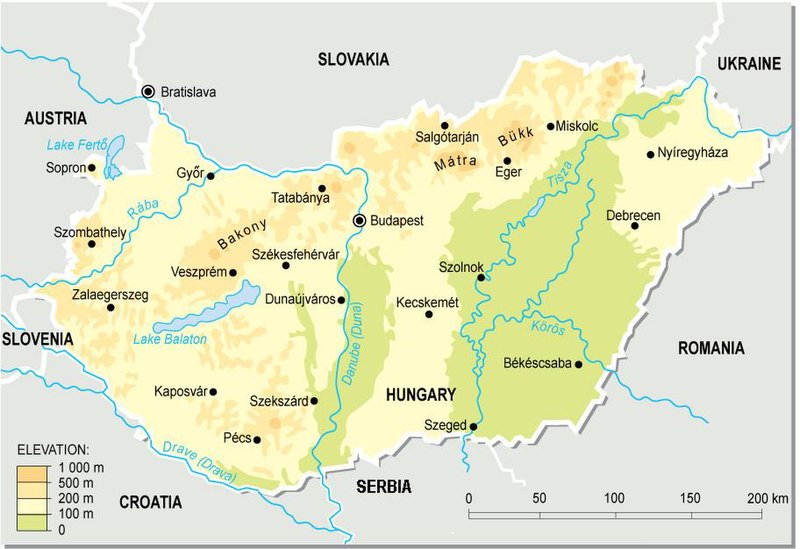
 It is very sad


 Pray for them and all those who lived through that, and thank God that such silliness is largely gone now.