E
edwest211
Guest
Very true, but often ignored. We know a creature survived because it’s still around? Then we get a guess at to its previous versions.

And…I’ve learned here that some previous versions die out, and some don’t .Very true, but often ignored. We know a creature survived because it’s still around? Then we get a guess at to its previous versions.

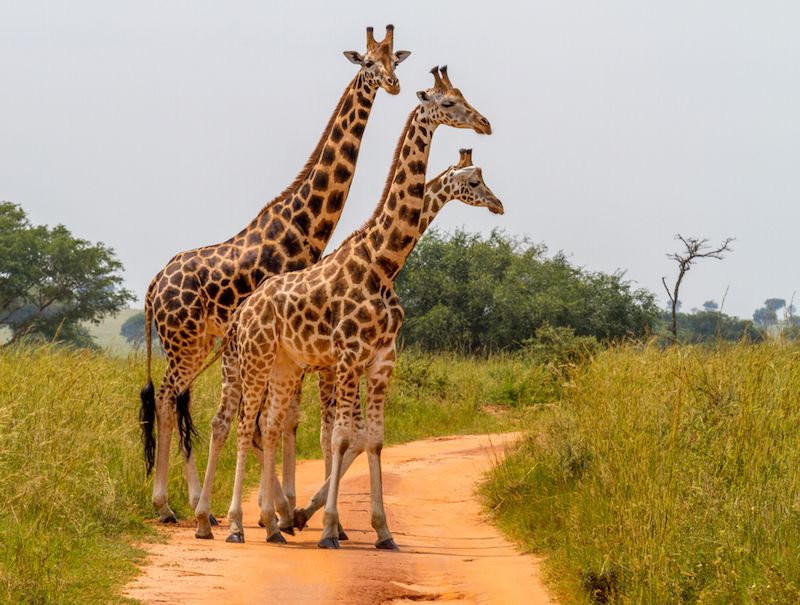
The half okapi-half giraffe got confused and die out, because it didn’t know if it should live in the forest or the savanna.And the ones that do survive, the ones in between them and the later model somehow died. Did they leave bones behind? There should be all sorts of different bones half giraffe, half okapi. If they were unfit, how’d the later model make it?
And don’t forget to use words like… proto.Hey. We don’t know. Anything could be and usually is an “answer.” Not “the” answer but an answer that supposedly supports the theory.
I’m not seeing it.
This paragraph doesn’t oppose theistic evolution.The CCC has other things to say.
295 "We believe that God created the world according to his wisdom.141 It is not the product of any necessity whatever, nor of blind fate or chance. We believe that it proceeds from God’s free will; he wanted to make his creatures share in his being, wisdom and goodness: "For you created all things, and by your will they existed and were created."142 Therefore the Psalmist exclaims: “O LORD, how manifold are your works! In wisdom you have made them all”; and "The LORD is good to all, and his compassion is over all that he has made."143
 aeon.co

That isn’t the logic being used. It can happen because it did happen.rossum:
It can happen therefore it did.Remember that “often” is not “always”. Beneficial mutations are rare, but they do happen.
Do you really not see the logical problems in that line of thought?
Back to that?That isn’t the logic being used. It can happen because it did happen.