Walls have a useful purpose.
Matt C. Pinsker (JD, LLM) - author, national security expert, criminal defense attorney, US Army Res

townhall.com
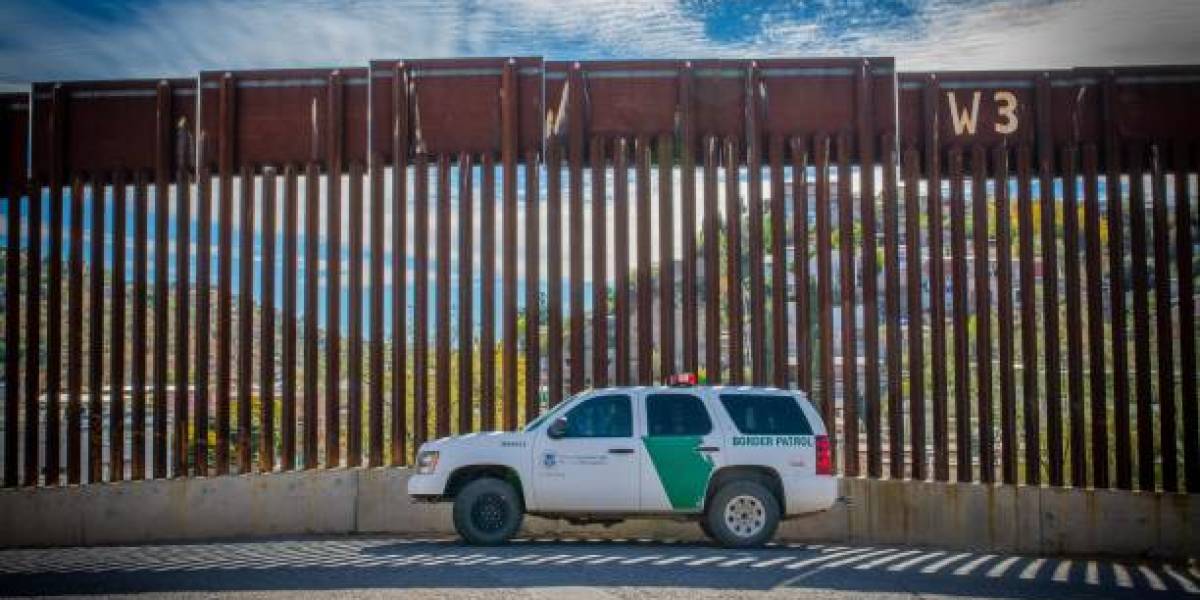
Walls absolutely do work. They work for multiple different reasons, but not for the reasons people often think. Interestingly, there is not a single mile of wall where I served, though nearly every Border Patrol agent wanted one in certain areas. However, right on the border itself is a community college that was having a major problem with illegal aliens and drug traffickers coming over the river and then cutting through their campus. They almost completely stopped it by erecting an eight foot high fence around the campus.
Currently, we are catching about 30% percent of all aliens illegally entering the country. Even if a wall were to result in a modest improvement to just 40 percent, that is an additional 1 million more people who will stopped over a 10 year period.
Here is what people misunderstand about walls. They are not 100 percent perfect barriers where if you simply put them up no one can get through them. Instead, they work because: 1.) They add just a couple extra minutes to an illegal alien’s entry into the country. Although this does not sound like much, this means that Border Patrol has a couple more minutes to arrive in time to stop the person. The problem we often have is that Border Patrol responds to motion detectors, but because of the vast distances they cannot get there in time, so the aliens are gone by the time they get there. 2.) If, rather than scale a wall, aliens go around it, this decreases the total amount of border which must be patrolled, thus allowing Border Patrol to more effectively deploy its limited man-power in what are essentially “choke points” between walls.
Additionally, a border barrier can severely affect the powerful Mexican drug cartels in ways most people aren’t aware of, forcing them to spend time and resources on entering the country rather than abusing people. A wall drives up the operating costs of the cartels, decreasing their power. They must purchase more equipment to get around or through it, and pay more for personnel. For example, a foot guide who now demands $1,500 to take a group of 15 people might now demand $3,000. Even a modest increase in the chances of getting caught forces the cartels to pay significantly more to get people to work for them (essentially, hazard pay). By driving up their costs, fewer people will be able to afford to hire cartels to illegally enter the United States, thus making human trafficking itself less profitable.