P
Palm_Tree
Guest
Vatican doing great cutting fossil fuel use, says U.S. energy expert
By Carol Glatz
Catholic News Service
VATICAN CITY (CNS) – Vatican engineers are doing an impressive job trying to cut Vatican City’s dependency on fossil fuels by tapping into renewable energy resources and finding ways to cut energy consumption, said a visiting U.S. expert on energy efficiency.
Mark Hopkins, director of the United Nations Foundation’s energy policy program, said that prior to his June 12 visit to Vatican City he had no idea the tiny city-state was involved in so many “significant projects” aimed at reducing its own carbon footprint.
“It’s impressive they’re actually doing what some people only talk about and (they) are doing it in a significant way,” Hopkins told Catholic News Service June 12…
More…
=======================
He’s an energy expert that the U.S. Embassy to the Vatican invited to Rome to visit the Vatican’s department of technical services and talk with the engineers who have been leading the way in making the Vatican greener.
–He was given a tour of the large solar-power generator on top of the Paul VI audience hall, which produces energy estimated at 300,000 kilowatt-hours a year. “It’s quite impressive, very hot and very bright,” Hopkins said, adding that the engineers “are top-notch people doing great stuff.”
–he had no idea the tiny city-state was involved in so many “significant projects” aimed at reducing its own carbon footprint. “It’s impressive they’re actually doing what some people only talk about and (they) are doing it in a significant way.”
–One major project now under way at the Vatican is an attempt by technicians to map exactly where Vatican energy consumption is going, he said. “On average, in most buildings, about 35 percent of the energy is being wasted; either the building is not operating the right way or is not using advanced technologies” such as high-efficiency lighting, heating or cooling fixtures, he said. If it turns out one particular building consumes a disproportionate amount of energy, often it means something is wrong that can easily be fixed, resulting in huge savings, he said. Improved energy efficiency can reduce greenhouse gas emissions by 60 percent, he said. “We have plenty of energy; the problem is we waste a lot of it,” especially by not making offices, factories and homes more energy-efficient, said Hopkins.
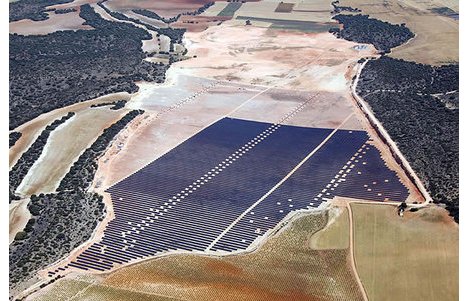
–He said “conceivably, Vatican City could become the first state to be powered by renewable” energy and become the first carbon-neutral nation in the world, partly as a result of its plans to build a large solar farm on property it owns on the outskirts of Rome. Such a status would put “the church in a great moral position” from which to encourage other nations and individuals to do more in promoting and using clean energy, he said. Global warming is a right-to-life issue, he said, since “the world will not be very hospitable to life if the climate gets out of hand.” He encouraged the Catholic Church to be more vocal about its efforts in environmental advocacy.
catholicnews.com/data/stories/cns/0902734.htm
By Carol Glatz
Catholic News Service
VATICAN CITY (CNS) – Vatican engineers are doing an impressive job trying to cut Vatican City’s dependency on fossil fuels by tapping into renewable energy resources and finding ways to cut energy consumption, said a visiting U.S. expert on energy efficiency.
Mark Hopkins, director of the United Nations Foundation’s energy policy program, said that prior to his June 12 visit to Vatican City he had no idea the tiny city-state was involved in so many “significant projects” aimed at reducing its own carbon footprint.
“It’s impressive they’re actually doing what some people only talk about and (they) are doing it in a significant way,” Hopkins told Catholic News Service June 12…
More…
=======================
He’s an energy expert that the U.S. Embassy to the Vatican invited to Rome to visit the Vatican’s department of technical services and talk with the engineers who have been leading the way in making the Vatican greener.
–He was given a tour of the large solar-power generator on top of the Paul VI audience hall, which produces energy estimated at 300,000 kilowatt-hours a year. “It’s quite impressive, very hot and very bright,” Hopkins said, adding that the engineers “are top-notch people doing great stuff.”
–he had no idea the tiny city-state was involved in so many “significant projects” aimed at reducing its own carbon footprint. “It’s impressive they’re actually doing what some people only talk about and (they) are doing it in a significant way.”
–One major project now under way at the Vatican is an attempt by technicians to map exactly where Vatican energy consumption is going, he said. “On average, in most buildings, about 35 percent of the energy is being wasted; either the building is not operating the right way or is not using advanced technologies” such as high-efficiency lighting, heating or cooling fixtures, he said. If it turns out one particular building consumes a disproportionate amount of energy, often it means something is wrong that can easily be fixed, resulting in huge savings, he said. Improved energy efficiency can reduce greenhouse gas emissions by 60 percent, he said. “We have plenty of energy; the problem is we waste a lot of it,” especially by not making offices, factories and homes more energy-efficient, said Hopkins.
–He said “conceivably, Vatican City could become the first state to be powered by renewable” energy and become the first carbon-neutral nation in the world, partly as a result of its plans to build a large solar farm on property it owns on the outskirts of Rome. Such a status would put “the church in a great moral position” from which to encourage other nations and individuals to do more in promoting and using clean energy, he said. Global warming is a right-to-life issue, he said, since “the world will not be very hospitable to life if the climate gets out of hand.” He encouraged the Catholic Church to be more vocal about its efforts in environmental advocacy.
catholicnews.com/data/stories/cns/0902734.htm