My favorite female habits are those of the Dominican sisters over in Nashville. They’re gorgeous, yet simple.
As a man, I can’t say I would ever want to wear the habit of a female religious! LOL!
http://godzdogz.op.org/uploaded_images/Coffee-753320.jpg
You don’t know many Dominicans, do you?

Obviously they are not conducive to all types of work, and should be adjusted accordingly, but I have yet to see a ministry that would require the complete abandonment of a habit all together.
Oh, but some founders felt strongly about that.
St. William Chaminade founder of the Brothers of Mary prohibited any kind of distinctive garb, even a collar. The priests and brothers were to look like secular teachers.
Bl. Mother Teresa founder of the Missionary Brothers of Charity, prohibited any kind of distinctive garb for her male missionaries. They are to dress as the poor man in India, even those in America and Europe.
http://4.bp.blogspot.com/-nRuyGL9B95I/TgcgZldS8kI/AAAAAAAAAG8/zsx501KCMV0/s1600/IMG_0498.JPG
EXCELLENT! Someone brought this up!
Mother Teresa readily stressed the importance of the habit to her sisters!
She chose a sari style that was representative of a consecrated woman. It would be easily recognizable in the Indian culture to assume that a MC was an unmarried, consecrated virgin. Much the way most Westerners react when we see a woman in religious garb (tunic and veil). Mother Teresa recognized the need to be accessible to the culture, but at the same time, set apart as a visible witness to the internal sacrifices and charism of their vows.
I’m not sure where you got this. This was not what she said. We have to be careful. The Missionaries of Charity have put out an entire collection of statements that allegedly Mother made, which she never made. Their last general chapter made it a rule to prohibit the dissemination of these statements by the sisters, brothers and laity. They take this very seriously and they get very offended when we who are not Missionaries of Charity speak about Mother and quote her without checking with them first. I was blasted by them once for this. And I was actually quoting her correctly. Go figure. I’ll never quote her again, not within hearing distance of one of their sisters. :nope:
I was told that she chose the white because it was easy to maintain. The blue stripes were perfect, because they honored the Blessed Mother and the Trinity. It was a coincidence that she found this sari already made. She did not design it.
I was also told that originally, her hair was exposed. When she went to train in nursing with the Medical Mission Sisters, they encouraged her to wear a cap to cover her hair to protect her from lice. That’s how they come to wear a cap under the sari. It’s like a surgical cap.
The sari became well known in those areas where they served, not because it was identifiably Catholic or religious, because they were many sisters. It became obvious that it was a uniform. They also wear a cross on the shoulder. I was told that by their sisters.
They deny that it was intended to be a distinctive religious habit; rather, it became so as they grew in numbers. According to the sisters, the reason for the sari and not a European habit was Christ’s revelation that he wanted an Indian congregation.
The sisters also deny that Mother was a nun. They are very careful to explain that she had been a nun when she was with the Order of Loretto. Upon being dispensed from the Order of Loretto and incorporated into the Society of the Missionaries of Charity that she founded, she was demoted from a nun to a sister. Therefore, consecrated virginity does not enter into the picture. Sisters do not have to be virgins. Virginity is required by some, not all, orders of nuns, never by sisters.
This is not to say that Mother was not a virgin. It’s just that when they make their vows, they do not use the rite for the consecration of virgins. They use the rite for religious consecration. Only some groups of women use this rite.
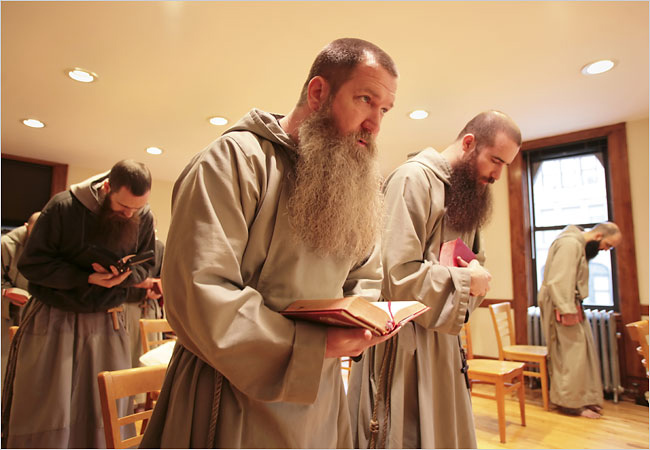
Going back to the OP, their habit is quite comfortable and very practical. It’s easy to maintain too. It’s cool in the summer and warm in the winter.