The claim of Joseph Smith, and his followers, revolved around the Mound Builders, which was a culture of the Great Lakes, Ohio and Mississippi River valleys.
1834:
Heber C. Kimball wrote in 1841 that several of the group, along with Joseph Smith, walked to the top of a mound that they had located on the bank of the Illinois river. Kimball states that “[o]n the top of this mound there was the appearance of three altars, which had been built of stone, one above another, according to the ancient order; and the ground was strewn over with human bones.” This prompted Kimball and the others to dig into the mound after sending for a shovel and a hoe. “At about one foot deep we discovered the skeleton of a man, almost entire; and between two of his ribs we found an Indian arrow, which had evidently been the cause of his death. We took the leg and thigh bones and carried them along with us to Clay county. All four appeared sound.”[3]
After continuing on their journey, Kimball reports that “*t was made known to Joseph that he had been an officer who fell in battle, in the last destruction among the Lamanites, and his name was Zelph. This caused us to rejoice much, to think that God was so mindful of us as to show these things to his servant. Brother Joseph had enquired of the Lord and it was made known in a vision.”[4]. (Wikipedia)
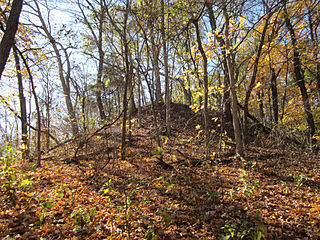
Naples-Russel Mound 8, also known as Zelph’s Mound, in Pike County, Illinois
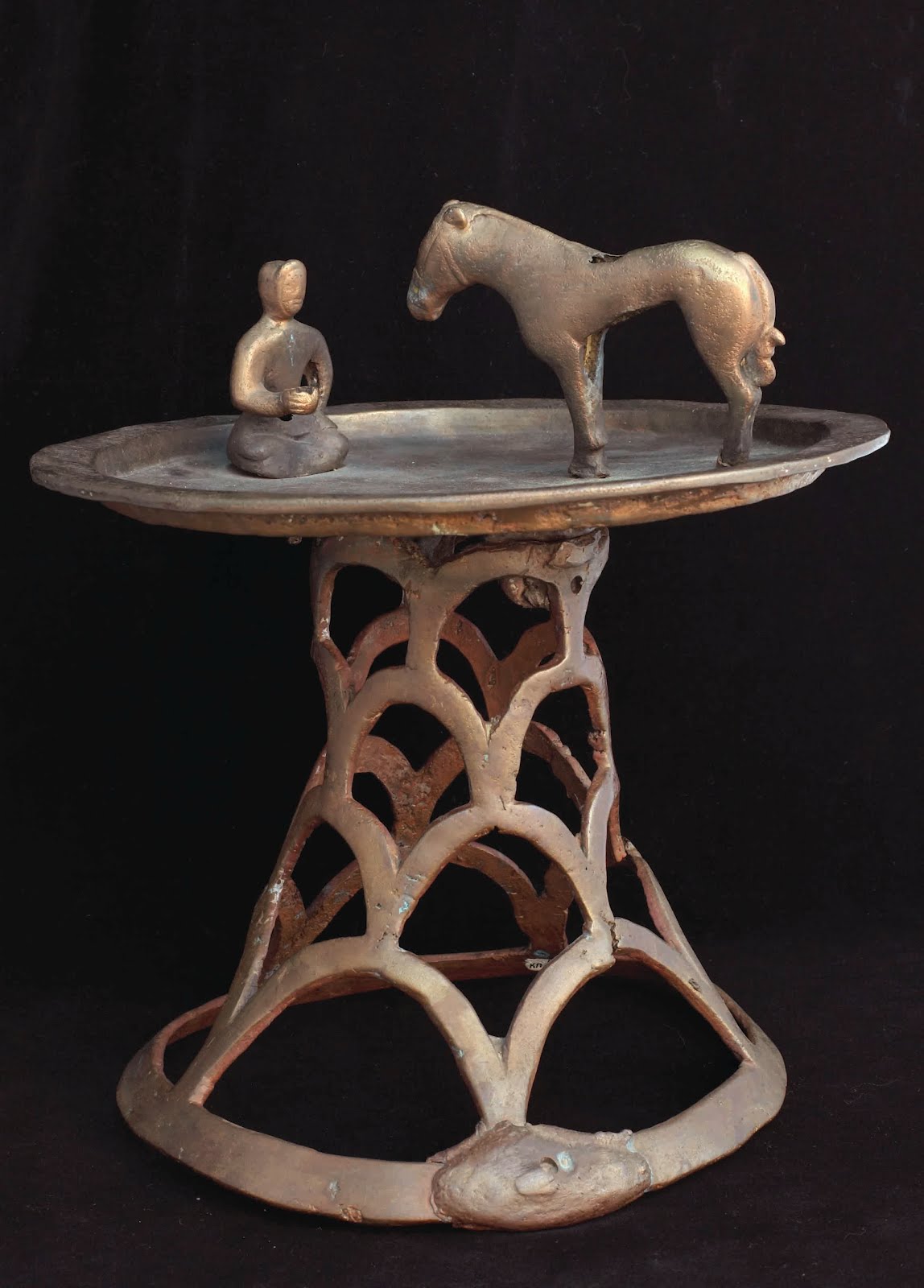
The culture, according to archaeologist and anthropologists is Havana-Hopewell. The surrounding Dickson mounds, of the same people and period, have been excavated by archaeologists. They found no evidence of a Book of Mormon culture or artifacts, they found evidence of a pre-Columnian, Stone Age, agrarian society, that had a vast trading network. Artifacts from as far away as Yellowstone obsidian and Gulf Coast shells. But, no Mesoamerican artifacts, or artifacts pointing towards a horse culture or a Bronze or Iron Age culture.*




 uch:
uch:
