Here is where we differ.You declare yourself the one true church but in actually the Roman Catholic Church as is now exists is not the original church of the Apostles. While it is true that God used the early councils to assemble scripture it was not that church that Luther had problems with but the highly corrupt institution of his time. If you take a look at the concerns you quoted you will realize that some of the doctrines you refer too are fairly modern in nature such as the Marian dogmas of assumption, co-redemptrix, mediator of all graces as well as papal infallibility. You assume, as well you should since you are Roman Catholic that you are are the true church, but the Orthodox also state the same claim and that you are the church that broke from the one true church which exists in Orthodoxy. Most Protestants would answer your quote by saying that they restored the pure new testament church which over the centuries that had fallen away from the truth of sacred scripture. There is a famous Protestant quote that says “Where the scriptures speak we speak; where the scriptures are silent we are silent”. So many of the man made doctrines that have developed based on the catch all justification of “Tradition” are the concerns.If you take a close look in essentials we agree on more than we differ; it is only in the non-essentials that the problems really occur. It is really very simple; Love the Lord your God with all of your heart, mind, and soul and your neighbor as yourself. Is this not what our Lord said was the sum of the law and the prophets?
I close with another Protestant quote: In essentials unity, in non-essentials charity, and in all things LOVE!
The idea of “restoring the true church of the apostles” sounds nice but is in obtainable and wrong. JRR Tolien describes why best so I will just quote him here.
The ‘protestant’ search backwards for ‘simplicity’ and directness -
which, of course, though it contains some good or at least intelligible
motives, is mistaken and indeed vain. Because ‘primitive Christianity’
is now and in spite of all ‘research’ will ever remain largely unknown;
because ‘primitiveness’ is no guarantee of value, and is, and was in
great a reflection of ignorance. Grave abuses were as much an element
in Christian liturgical behaviour from the beginning as now. (St Paul’s
strictures on Eucharistic behaviour are sufficient to show this!) Still
more because ‘my church’ was not intended by Our Lord to be static or
remain in perpetual childhood; but to be a living organism (likened to
a plant), which develops and changes in externals by the interaction of
its bequeathed divine life and history – the particular circumstances
of the world into which it is set. There is no resemblance between the
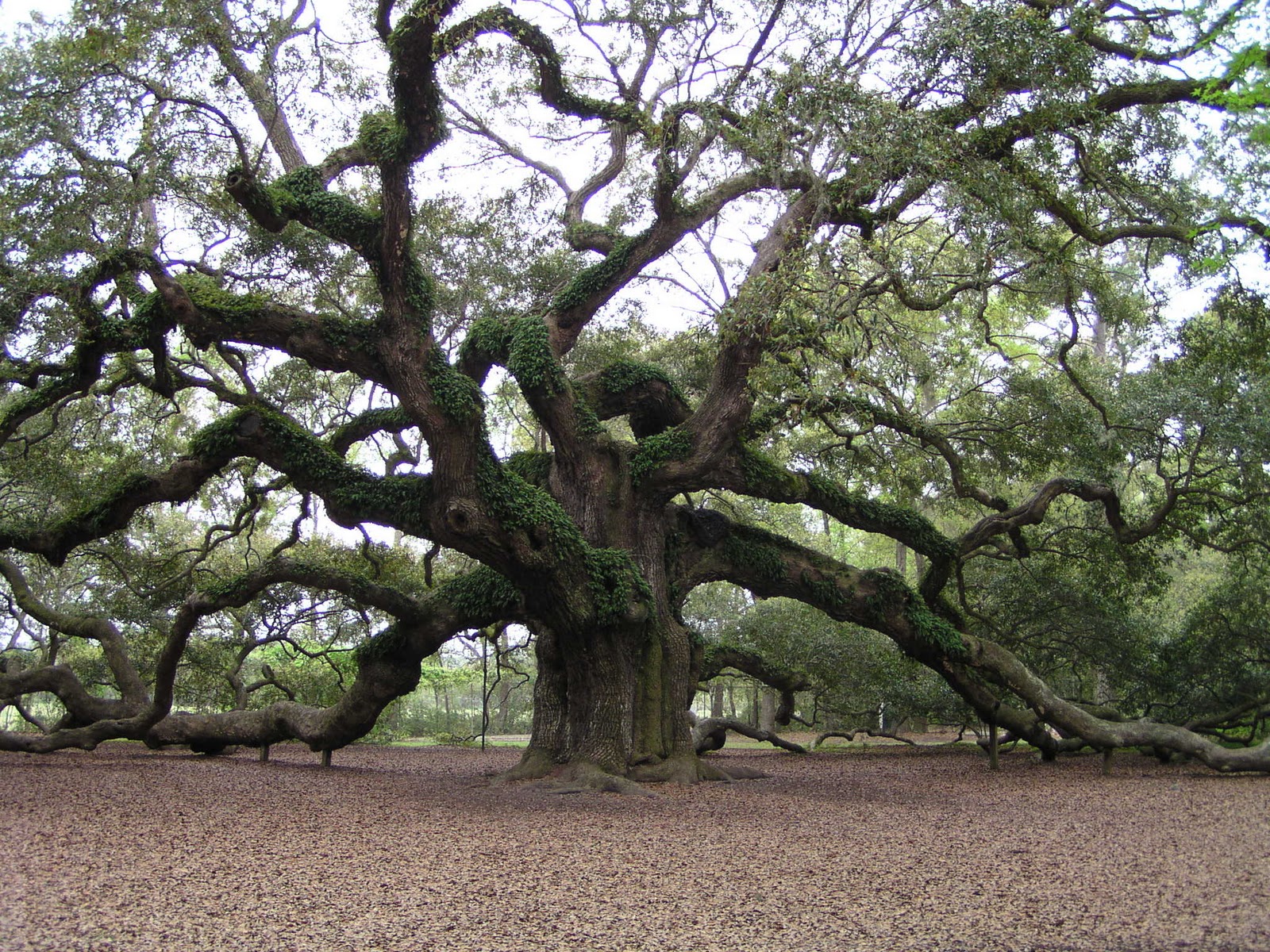
‘mustard-seed’ and the full-grown tree. For those living in the days of
its branching growth, the Tree is the thing, for the history of a
living thing is part of its life, and the history of a divine thing is
sacred. The wise may know that it began with a seed, but it is vain to
try and dig it up, for it no longer exists, and the virtue and powers
that it had now reside in the Tree. Very good: but in husbandry the
authorities, the keepers of the Tree, must look after it, according to
such wisdom as they possess, prune it, remove cankers, rid it of
parasites and so forth. (With trepidation, knowing how little their
knowledge of growth is!) But they will certainly do harm if they are
obsessed with the desire of going back to the seed or even to the first
youth when it was (as they imagine) pretty and unafflicted by evils.
The other motive (now so confused with the primitivist one, even in the
mind with any one of the reformers): aggiornamento: bringing up to
date: that has its own grave dangers, as has been apparent throughout
history. With this, ‘ecumenicalness’ has also become confused. (The
Letters of J.R.R Tolkien, no. 306.)