And he ends by explaining the benefits to those who conquer such lust:
When he is with the lover, both cease from their pain, but when he is
away, then he longs as he is longed for, and has love’s image, love for
love (Anteros) lodging in his breast, which he calls and believes to be
not love but friendship only, and his desire is as the desire of the
other, but weaker; he wants to see her, touch her, kiss her, embrace
her, and probably not long afterwards his desire is accomplished. When
they meet, the wanton steed of the lover has a word to say to the
charioteer; he would like to have a little pleasure in return for many
pains, but the wanton steed of the beloved says not a word, for she
is bursting with passion which she understands not; she throws her
arms round the lover and embraces him as a dearest friend; and, when
they are side by side, she is not in it state in which he can refuse
the lover anything, if he ask her; although her fellow-steed and the
charioteer oppose her with the arguments of shame and reason.
After this their happiness depends upon their self-control; if the
better elements of the mind which lead to order and philosophy
prevail, then they pass their life here in happiness and
harmony-masters of themselves and orderly-enslaving the vicious and
emancipating the virtuous elements of the soul; and when the end
comes, they are light and winged for flight, having conquered in one
of the three heavenly or truly Olympian victories; nor can human
discipline or divine inspiration confer any greater blessing on man
than this.
And the consequences for those who do not resist such temptation:
If, on the other hand, they leave philosophy and lead the lower life of
ambition, then probably, after wine or in some other careless hour,
the two wanton animals take the two souls when off their guard and
bring them together, and they accomplish that desire of their hearts,
which to the many is bliss; and this having once enjoyed they
continue to enjoy, yet rarely because they have not the approval of
the whole soul. They too are dear, but not so dear to one another
as the others, either at the time of their love or afterwards. They
consider that they have given and taken from each other the most
sacred pledges, and they may not break them and fall into enmity.
At last they pass out of the body, unwinged, but eager to soar, and
thus obtain no mean reward of love and madness. For those who
have once begun the heavenward pilgrimage may not go down again
to darkness and the journey beneath the earth, but they live in light
always; happy companions in their pilgrimage, and when the time
comes at which they receive their wings they have the same plumage
because of their love.
And so you might question our client while he is on the stand:
TONY: Socrates, some would accuse you of saying resisting temptation is a matter of merely cognition–those who resist are those who are wise, and the only reason others do not resist is that they know no better. How would you answer them?
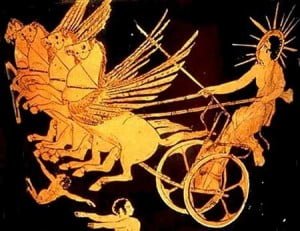
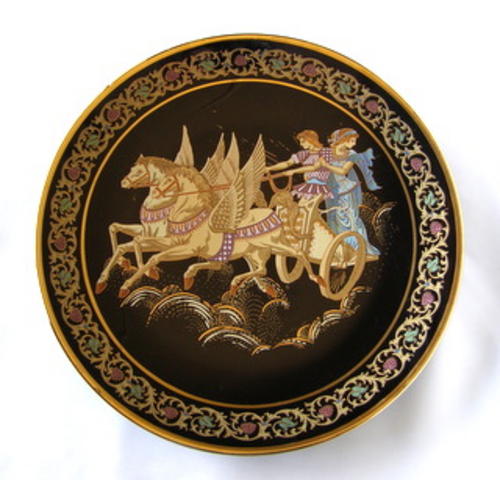
SOCRATES: I’d remind them of what I just said–that there are two winged steeds–Pegasuses, if you will–to every soul. One knows what is right and wrong, and the other desires not the right, but the wrong. The charioteer decides which steed will have his way.
TONY: Are you saying, then that resisting temptation is not a matter of merely cognition?
SOCRATES: Yes, indeed. It’s both, you see. One Pegasus flies upward, according to wisdom, and does wants to pull the chariot toward what it knows is right–toward the heavens and the God of Wisdom, where the other gods dwell. The other pulls downward, wanting to drive the charioteer away from God and toward the depths of depravity. The charioteer, by an act of volition, decides whether to do as his cognition tells him, or whether to give in to his baser, beastly instincts.