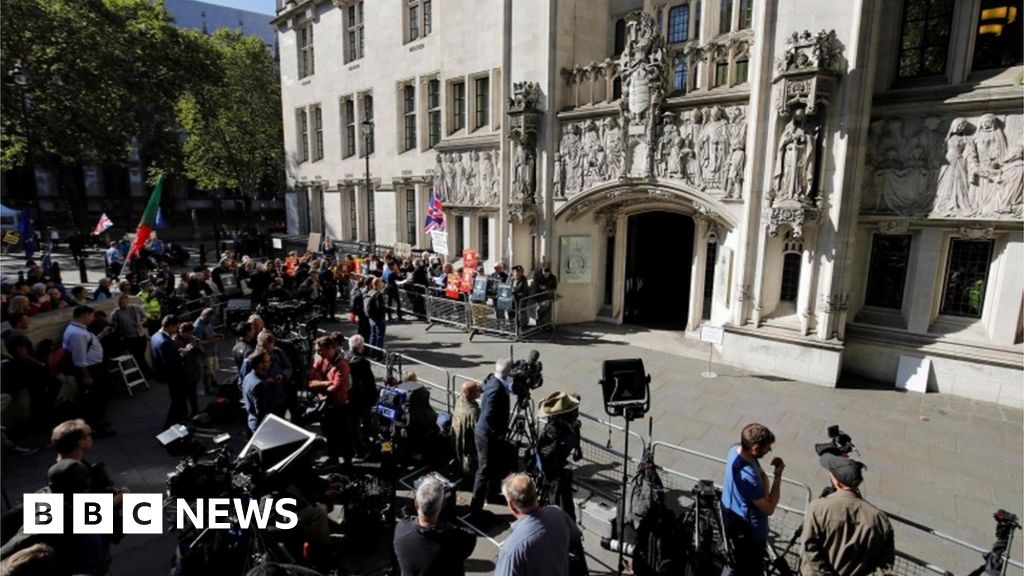
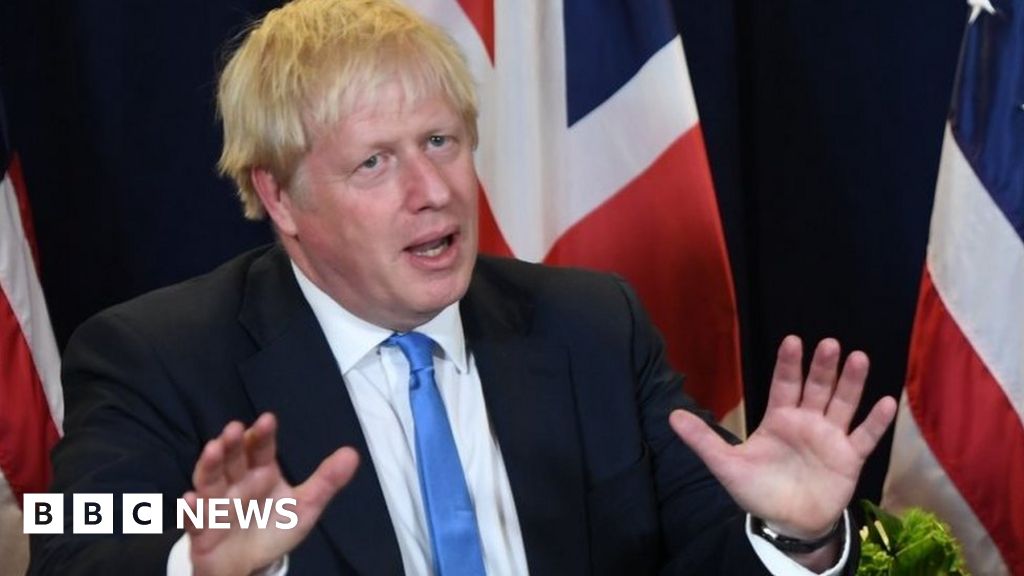
It’s interesting to me that while both the Court of Secession in Scotland and the Supreme Court of the UK both ruled (contrary to the English High Court ruling) that prorogation was justiciable
and in this exceptional circumstance unlawful with the effect of styming parliament, a difference between the two legal systems in this case has been shown: Scots law took motive into account as part of its judgment (that Johnson had “
improper purpose of stymieing parliament” contrary to what he told the Sovereign), whereas the UK constitutional law considered only the effect (to unlawfully shut down parliamentary democracy without reasonable justification).
The outcome is the same but the nuance here appears to signify a slightly distinct legal reasoning (if I’m looking at the two judgments rightly).
Still, the English High Court was clearly wrong in averring this was not justiciable, as the Supreme Court has now overruled and corrected.
So the (upheld) Scottish Court of Session ruling was that Boris Johnson misled (some say ‘lied to’) the Queen on his motive for shutting down parliament but the Supreme Court has avoided saying so itself by ruling on the
effect of the prorogation but not the
motive.
I’m a Scot, so I naturally still reason like a Scots lawyer. I must try and figure out why this distinction has emerged between our two judicial traditions